Disposable Medical Device Patient Healthcare

Still deciding? Get samples of $ !
Request Sample

Product Description

Basic Information
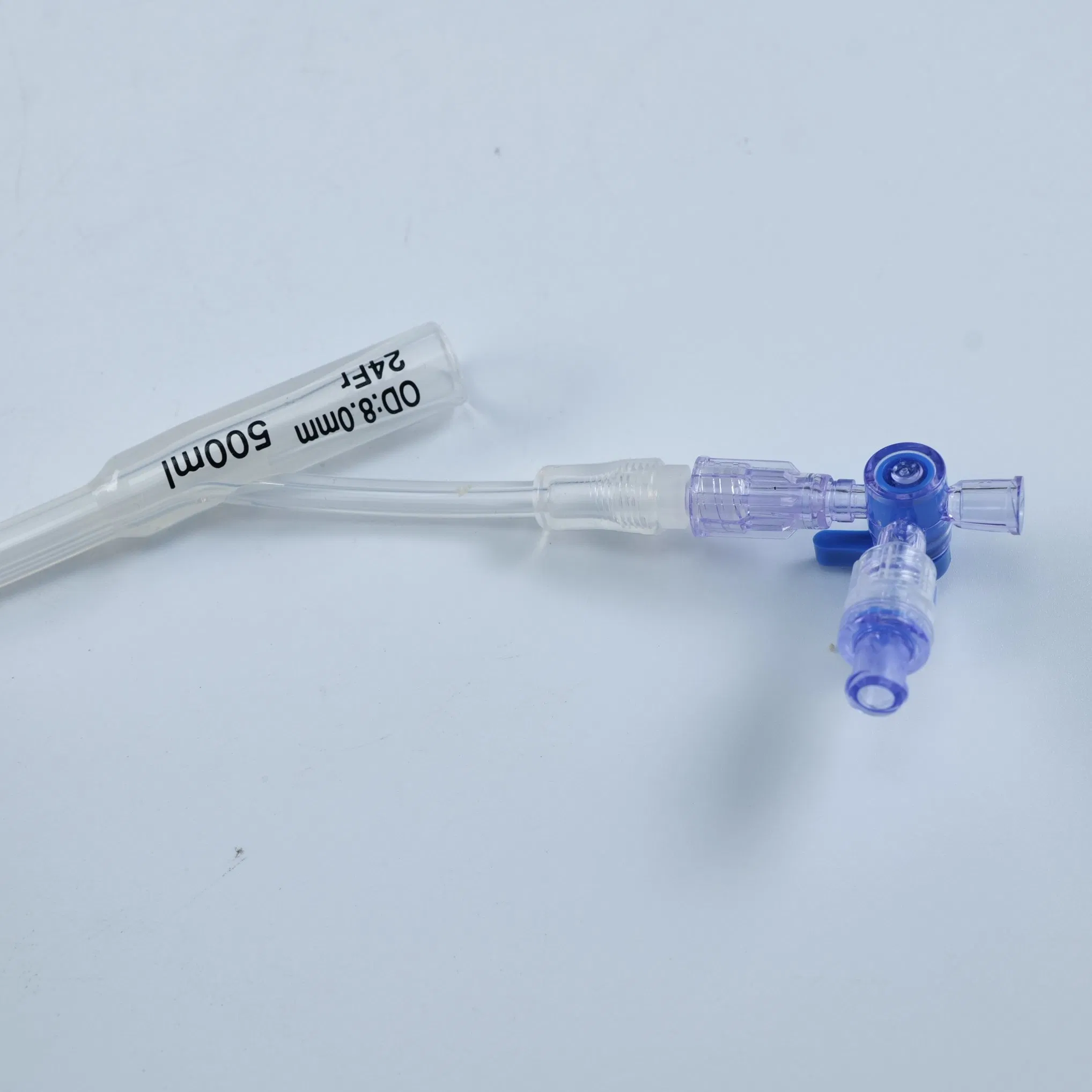
Model NO. 500 milliliter
Material Plastic / Silicone
Feature Disposable
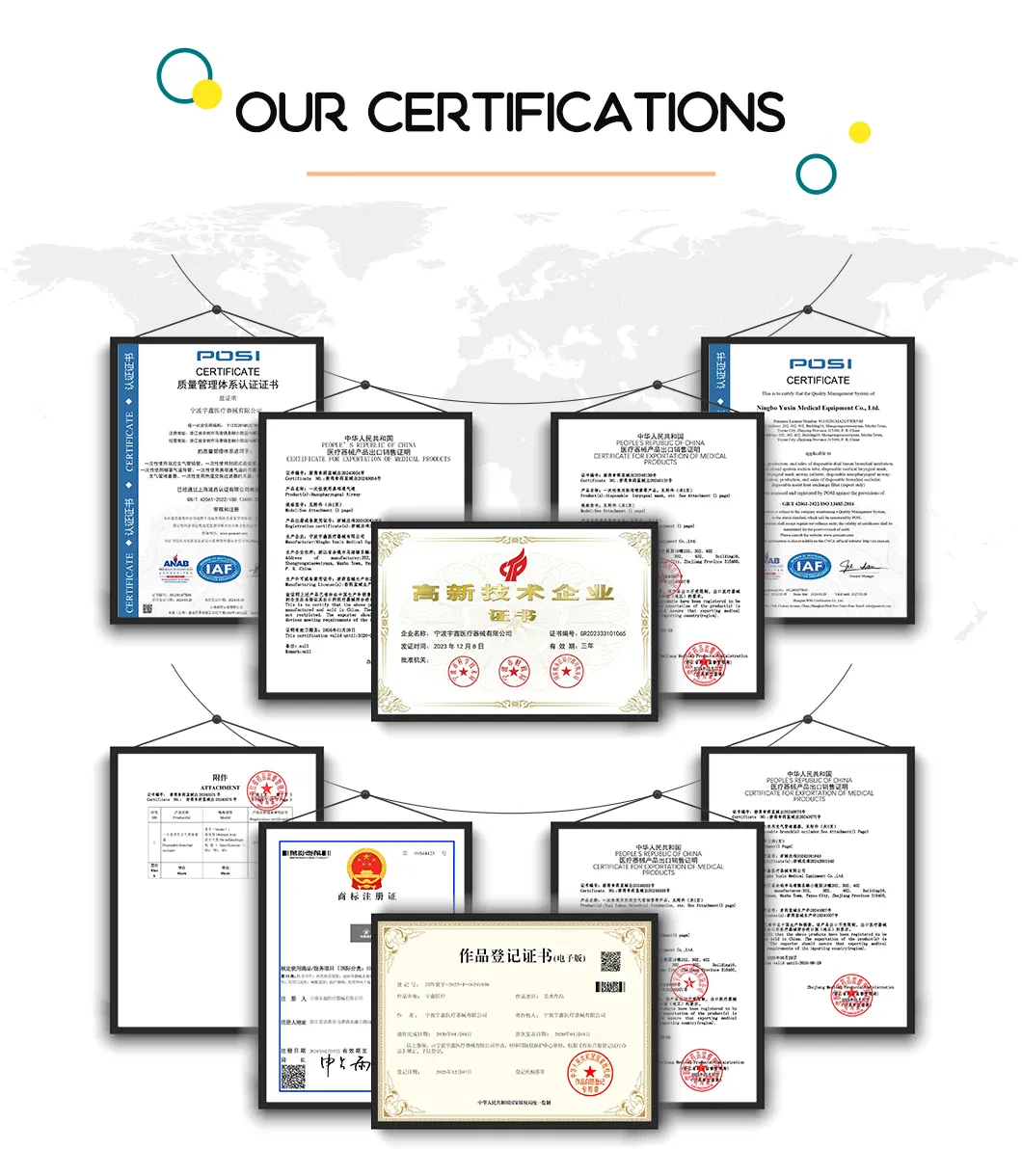
Certification ISO13485
Target Group Adult
Specification 24fr
HS Code 3312966076
Production Capacity 50,000 Pieces/Year
Product Overview

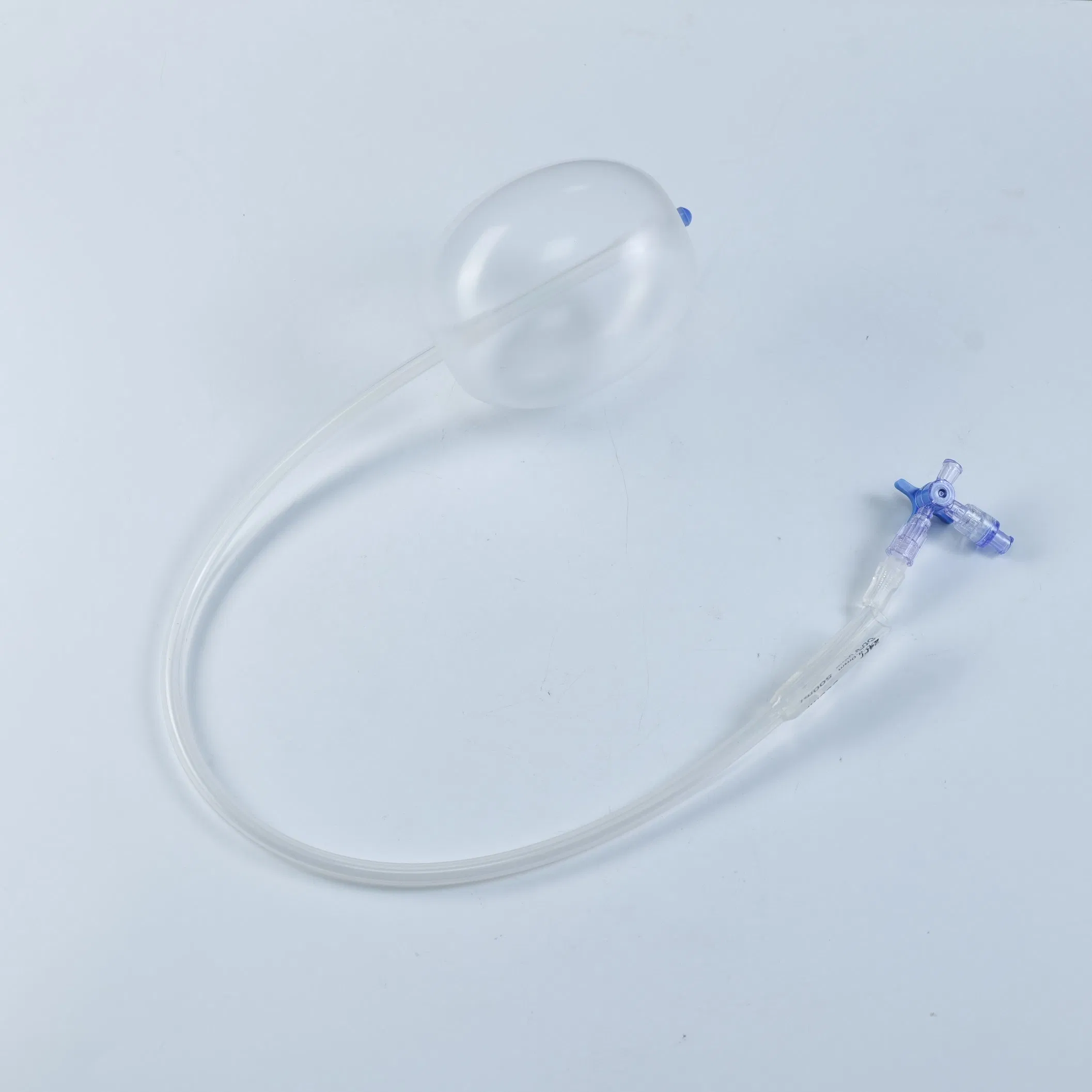
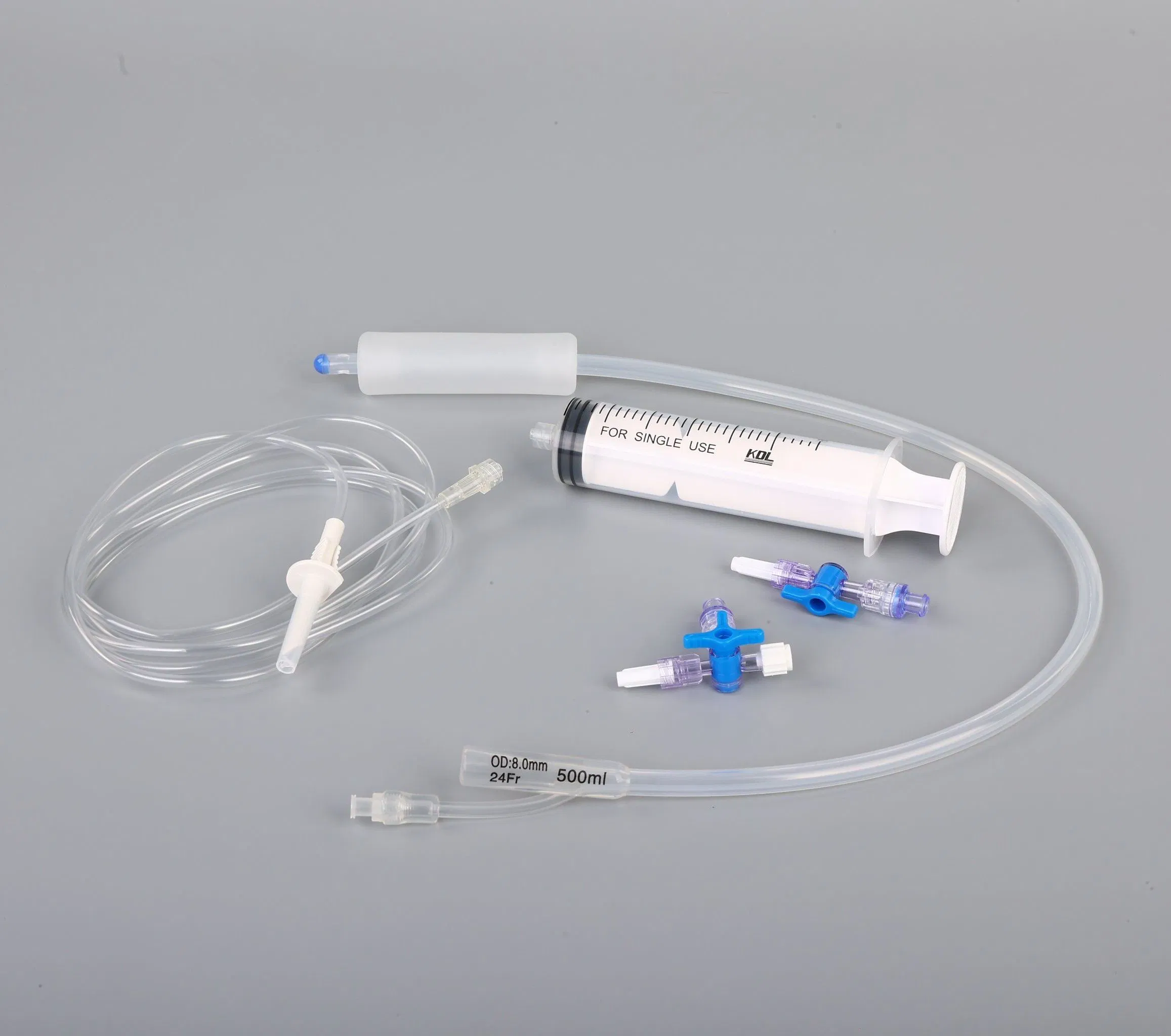
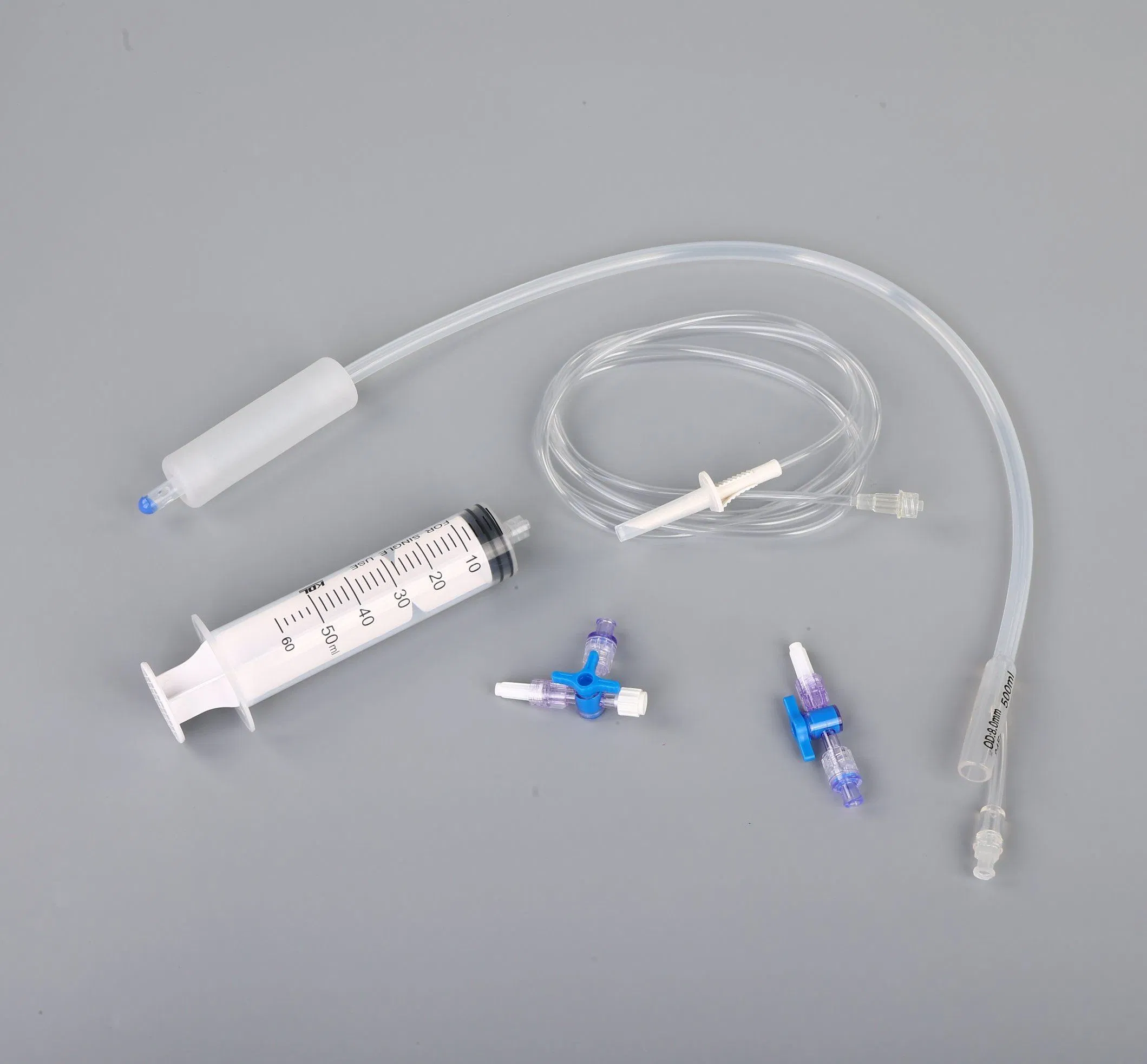
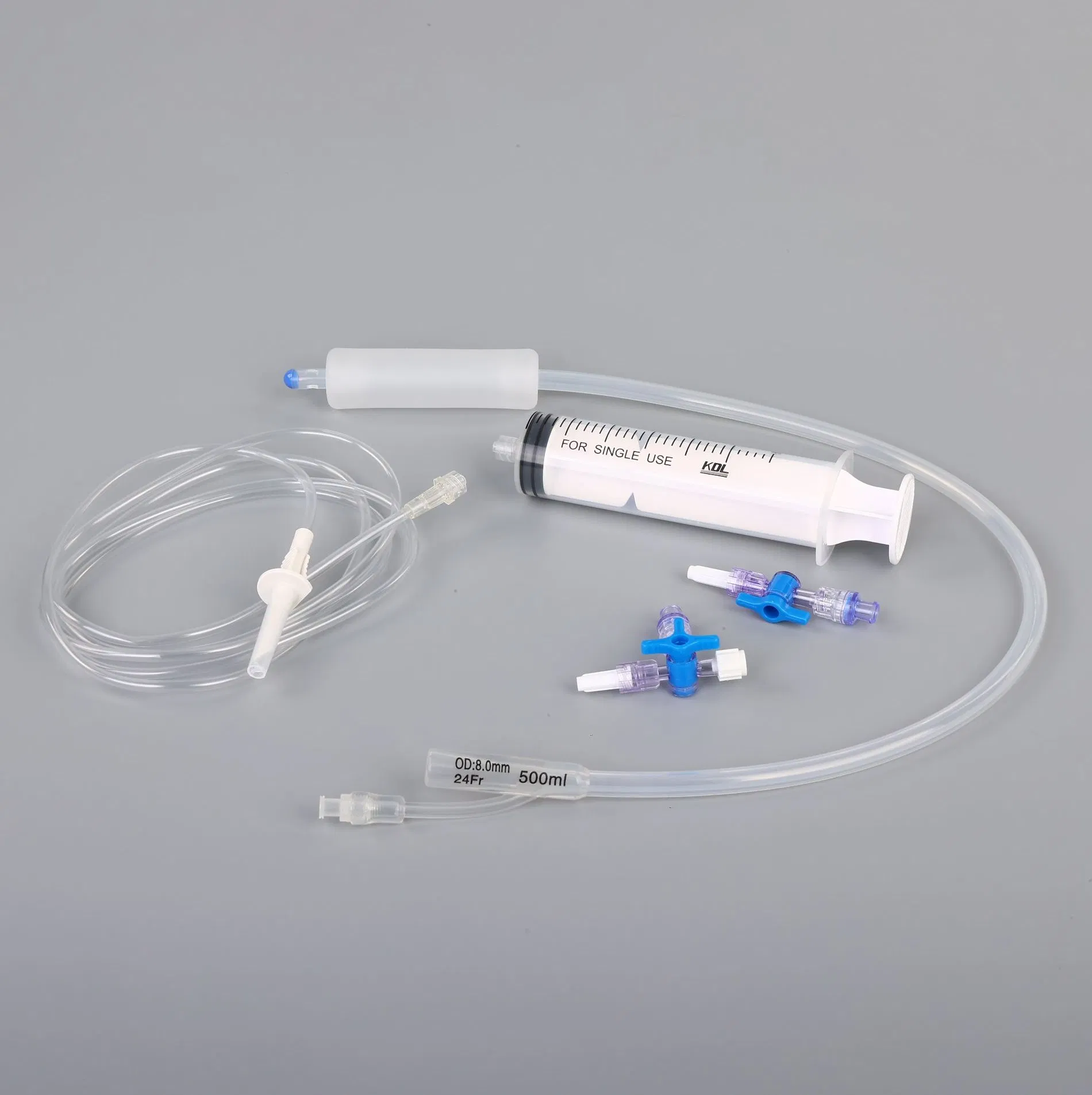
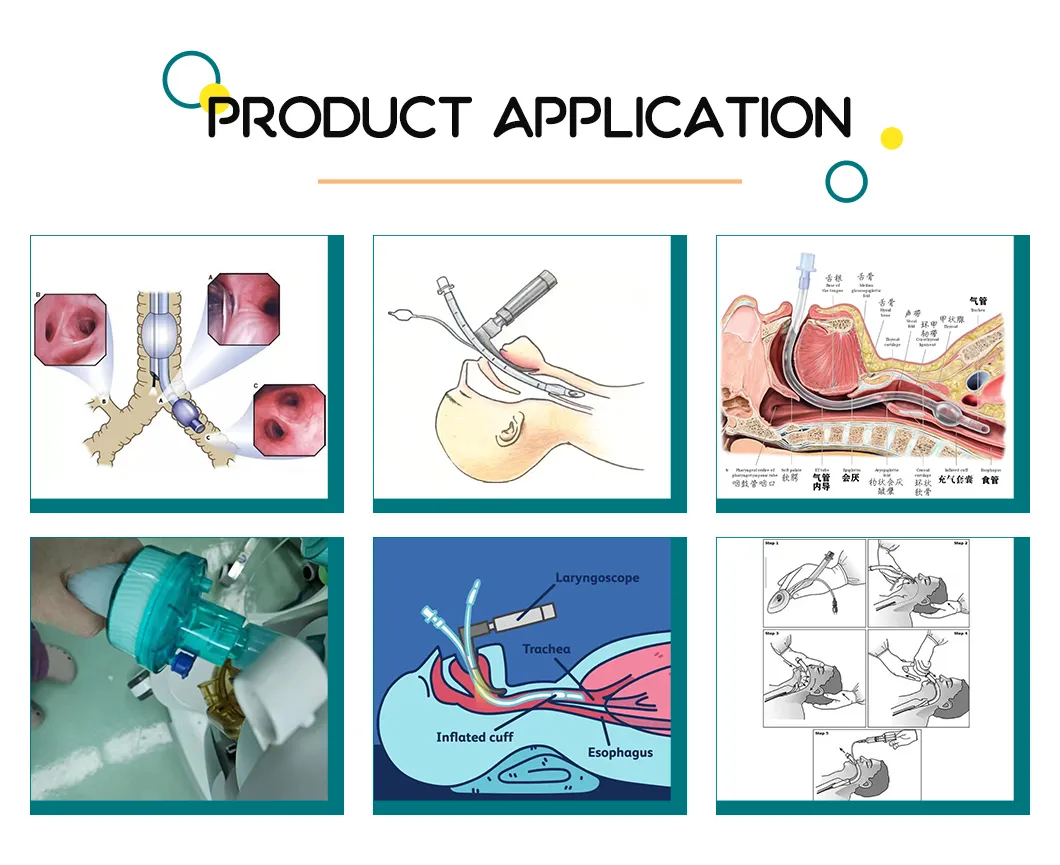
The Uterine Tamponade Balloon Catheter is a specialized medical device primarily placed during hysteroscopic surgery. If a woman experiences heavy bleeding during childbirth, this catheter can be effectively utilized to prevent massive hemorrhage during delivery, providing a critical intervention for maternal health.

Key Product Features
1
Made of medical grade 100% silicone, ensuring excellent biocompatibility.
2
Proven efficacy in the prevention of intrauterine adhesions.
3
Excellent and reliable method for reducing uterine bleeding.
4
Designed for safety with no contraindications or negative aftereffects.
5
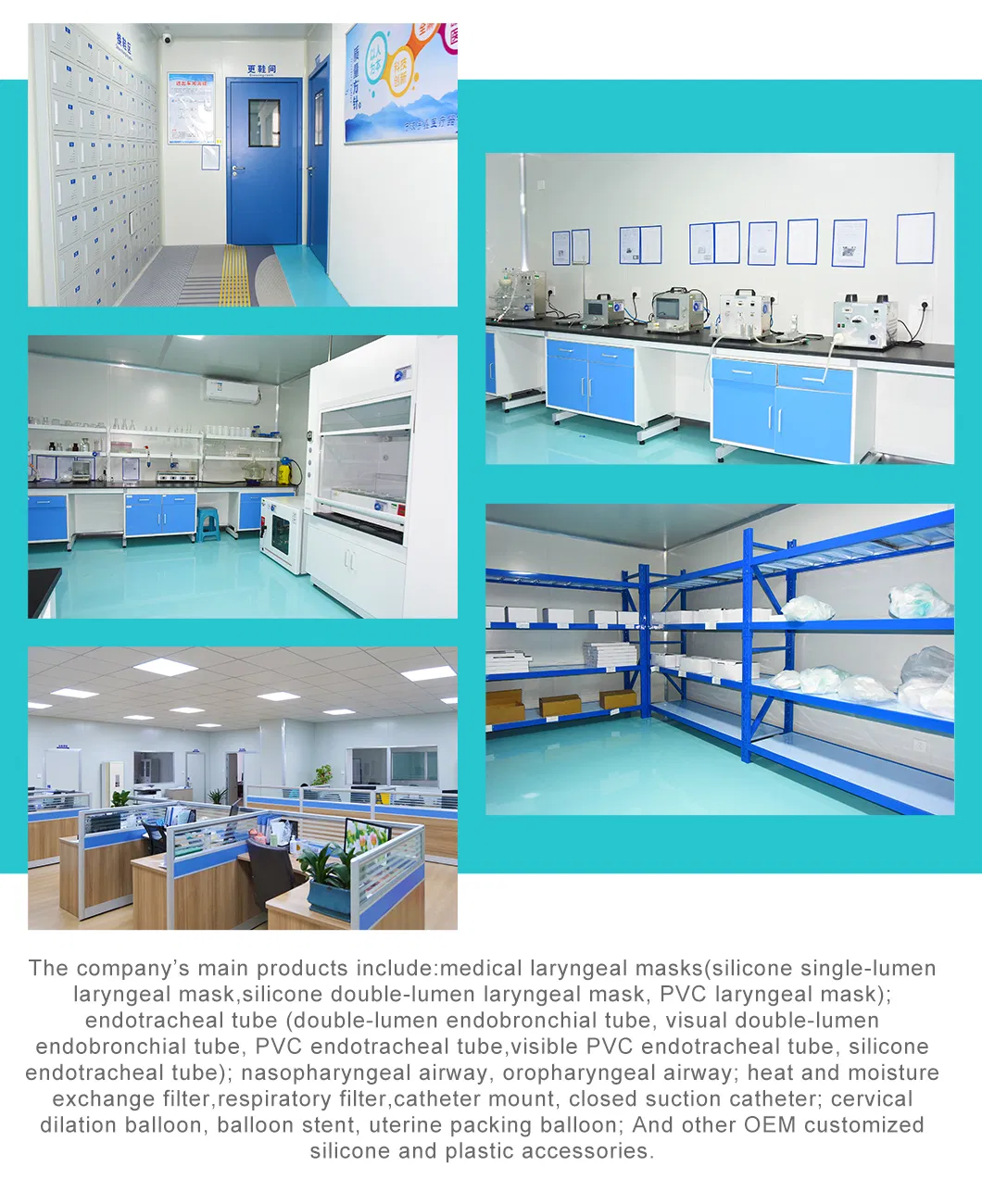
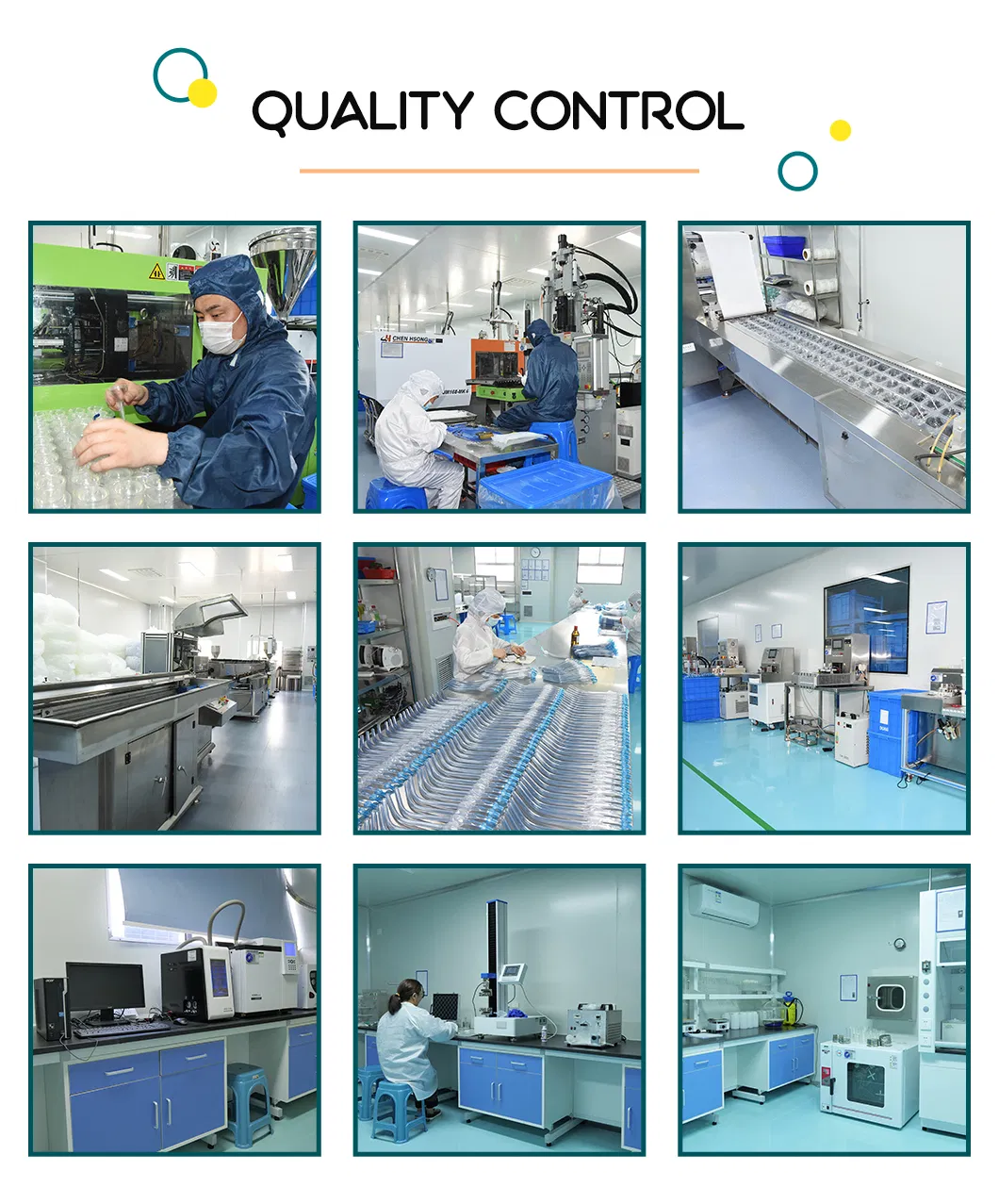
Manufactured in a 100,000-class dust-free workshop following ISO13485 standards.
Technical Specifications
Product Code Catheter size (Fr) Balloon Type
YE0201 24Fr Single balloon
YE0202 24Fr Double balloon
Product Gallery
Frequently Asked Questions
What is the primary use of a Uterine Tamponade Balloon Catheter?
It is primarily used to control and reduce postpartum hemorrhage (heavy bleeding) during delivery or following hysteroscopic surgery.
What material is the catheter made from?
The catheter is made from 100% medical-grade silicone, which offers superior biocompatibility and patient safety compared to standard materials.
Are there different balloon configurations available?
Yes, we offer both single balloon (YE0201) and double balloon (YE0202) configurations in the 24Fr specification to meet different clinical needs.
Is the product certified for global medical use?
The product is manufactured under ISO13485 certification in a high-standard 100,000-class dust-free workshop environment.
Is this catheter reusable?
No, this is a disposable medical device designed for single use to ensure hygiene and prevent cross-contamination.
How does it help with intrauterine adhesions?
By maintaining the uterine cavity's shape and providing a physical barrier during the healing phase, it has a significant effect on preventing adhesions.

Related Products