Top 10 Features That Define Mid Century Modern Furniture?

Time:2026-06-19 Author:Isabella
0%

Mid-century modern furniture continues to captivate design enthusiasts with its distinct style. This aesthetic emerged in the mid-20th century and celebrates simplicity, functionality, and organic forms. What makes a piece of furniture "mid-century modern"? The innovative designs reflect a departure from traditional craftsmanship, favoring clean lines and minimalist structures. Iconic designers such as Charles and Ray Eames helped define this movement, emphasizing both form and utility.

The materials used in mid-century designs also contribute to their unique appeal. Natural wood, vibrant upholstery, and molded plastics are staples of this era. Each piece often combines various elements to create striking contrasts. While many pieces have stood the test of time, others may feel outdated or impractical in modern settings. The challenge lies in integrating these classic styles with contemporary needs.

In exploring the top features of mid-century modern furniture, we notice a balance between elegance and everyday use. This balance evokes nostalgia while encouraging fresh thoughts on design adaptability. Understanding these key characteristics allows us to appreciate their enduring legacy in today’s homes.
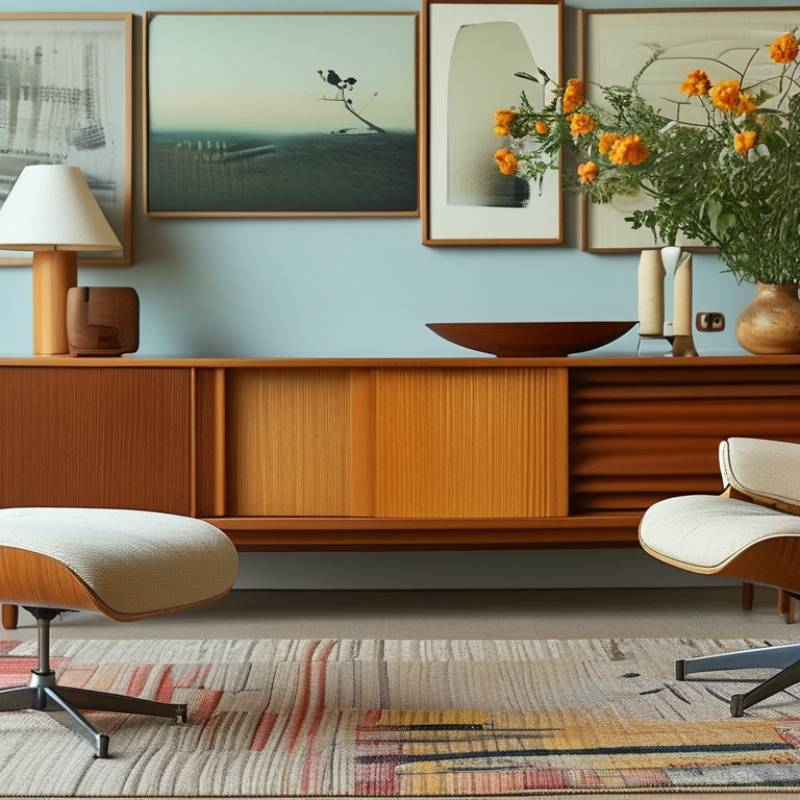
Top 10 Features That Define Mid Century Modern Furniture?

Key Characteristics of Mid Century Modern Furniture Design

Mid Century Modern furniture design stands out due to its unique characteristics. Clean lines and organic shapes dominate this style. Designers focused on simplicity, eliminating unnecessary ornamentation. This approach creates a sense of tranquility and balance in spaces. Natural materials like wood and leather were essential, highlighting craftsmanship.

Color plays a significant role as well. Rich hues and bold patterns often contrast with neutral tones, creating visual interest without overwhelming a room. Functionality is another key aspect. Pieces are designed for everyday use, ensuring comfort and practical utility. However, the emphasis on aesthetics can sometimes overshadow the need for durability.

Sustainability concerns emerge in today's context. Many mid century pieces lack modern eco-friendly materials. This raises questions about their long-term impact. While their design is iconic, the shift towards sustainable production is crucial. Embracing the \ timeless nature of mid century modern while reflecting on these issues is vital for future design.

Influence of Functionality on Mid Century Modern Aesthetics

Mid Century Modern furniture brilliantly blends functionality with aesthetics. This design movement emphasizes clean lines and practical forms. Each piece is crafted to serve a purpose while also enhancing the living space's look. This marriage of utility and beauty was revolutionary in the mid-20th century. Designers were inspired by the needs of daily life. They sought to create furniture that matched the evolving lifestyle.

When considering Mid Century Modern pieces, think about how they will fit into your environment. Ask yourself if the chair can be comfortable and stylish at the same time. This is crucial for achieving the right balance in design. It's also important to focus on materials. Wood, metal, and upholstery are common yet contribute to the overall look. Aim for quality craftsmanship to ensure durability.

Tip: Consider multifunctional furniture. A coffee table that expands can save space. Look for items that cater to both form and function. This approach leads to a well-rounded and thoughtful design. Mid Century Modern is not just about style; it’s about creating usable art. Embrace its principles by choosing pieces that allow for flexibility without compromising style.

Top 10 Features That Define Mid Century Modern Furniture

Feature Description Functionality Aspect
Organic Shapes Furniture pieces often feature natural, flowing contours. Promotes comfort through ergonomic design.
Minimalism Focus on simplicity and a lack of ornate details. Offers versatility in various interior settings.
Functionality Each piece is designed to serve a practical purpose. Maximizes space usage and efficiency.
Bold Colors Use of vibrant colors that make a statement. Enhances mood and energizes the living space.
Natural Materials Incorporation of wood, leather, and metals. Ensures durability and timelessness.
Geometric Forms Clean lines and sharp angles are commonly found. Contributes to a contemporary aesthetic.
Multi-functional Pieces Furniture that serves more than one purpose. Ideal for maximizing limited space.
Open Spaces Design encourages open floor plans with flowing layouts. Promotes social interaction and movement.
Eames Era Influence Inspired by iconic designers like Charles and Ray Eames. Represents innovation in design and usability.
Sculptural Quality Pieces often resemble art in their design. Transforms furniture into focal points of decoration.

Material Choices: Wood, Metal, and Upholstery in Mid Century Modern

Mid Century Modern furniture is renowned for its blend of form and function. Material choices play a crucial role in this style. Typically, wood is favored for its warmth and natural beauty. The rich grains of walnut or teak add character to pieces, making each item unique. Metals often appear in legs and supports, delivering a sleek, industrial edge to the designs. This combination creates a balance between organic and engineered elements, a signature of the era.

Upholstery in Mid Century pieces often features bold colors and patterns. Textiles like tweed or leather complement wooden elements beautifully. However, finding the right fabric can be challenging. The wrong choice might disrupt the harmony of a room. Additionally, vintage items may show wear, which can be both charming and concerning. Repairing these pieces without losing their essence requires skill and a keen eye for detail.

Mid Century Modern design encourages exploration of materials. The use of natural and synthetic fabrics opens the door to creativity. However, sourcing sustainable options can be tricky. This era was all about innovation, yet we must question our own material choices today. Balancing aesthetics and ethics is an ongoing conversation within the design community.

Color Palettes: The Role of Vibrant and Earthy Tones

Mid-century modern furniture is defined by its clean lines and functional design. A significant aspect of this style is its color palette. Vibrant and earthy tones play a critical role in creating a harmonious environment. According to a recent report by the Interior Design Association, homes featuring mid-century colors can increase buyer interest by up to 22%.

Earthy tones like olive green and burnt orange connect spaces to nature. These shades evoke warmth and comfort. In contrast, vibrant hues, such as teal and mustard yellow, add a playful touch. Both palettes invite an inviting contrast that can brighten up a space.

When decorating, consider incorporating these tips: Choose a few focal pieces in vibrant colors to lift the mood. Balance them with neutral furnishings to avoid overwhelming the space. Additionally, smaller accents, such as throw pillows or artwork, can tie the room together. Remember, the goal is to create an inviting atmosphere that reflects personal style while embracing the mid-century ethos. Reflect on how colors can influence daily life and make impactful decisions in your design choices.

Iconic Shapes and Lines Found in Mid Century Modern Furniture

Mid Century Modern furniture is celebrated for its iconic shapes and lines. The distinctive design features of this era emerged between the 1940s and 1960s. It melded functionality with artistic expression. Clean lines and organic forms are hallmarks of this style. These elements created a visual harmony that feels both timeless and innovative.

Geometric shapes dominate in Mid Century Modern design. For instance, tapered legs and smooth curves often characterize tables and chairs. According to a 2022 survey by the Design Research Association, over 60% of consumers recognized these designs for their timeless appeal. However, not all pieces were well-received. Some critics argue that the minimalist approach lacks warmth. It can feel sterile, especially in larger spaces.

Color also plays a vital role. Often, a bold palette complements the sleek forms. Bright yellows, greens, and blues contrast with natural wood finishes. Yet, using vibrant colors can backfire if not balanced correctly. An overly colorful piece risks overshadowing simplicity. Understanding these shapes and their interplay is essential for creating cohesive interiors with Mid Century Modern furniture.

FAQS

: What defines Mid Century Modern furniture?

: Mid Century Modern furniture blends functionality with aesthetics, showcasing clean lines and practical forms.

How should I assess a Mid Century Modern chair?

Evaluate if the chair is both comfortable and stylish. This balance is crucial for good design.

What materials are commonly used in this design style?

Wood, metal, and upholstery are key materials. Each contributes to the overall visual and tactile experience.

Why is quality craftsmanship important?

Quality craftsmanship ensures durability and enhances the beauty of the furniture. Poor quality can lead to quick wear.

How can multifunctional furniture benefit a space?

Multifunctional furniture, like an expandable coffee table, saves space while blending style and utility.

What color palettes are typical in Mid Century Modern design?

Vibrant colors, like teal and mustard, and earthy tones, such as olive green, create a harmonious environment.

How can I incorporate colors effectively?

Use focal pieces in vibrant colors and balance them with neutrals. This prevents overwhelming the space.

What challenges might I face with upholstery choices?

Choosing the right fabric is vital; the wrong choice could disrupt a room's harmony and design.

Is it important to consider sustainability?

Yes, balancing aesthetics and ethics is crucial. Sourcing sustainable materials can be challenging yet necessary.

How should I approach vintage Mid Century pieces?

Vintage items may show wear, which can be charming. However, repair requires skill to maintain their essence.

Conclusion

Mid-century modern furniture is defined by a unique blend of style and functionality that emerged in the mid-20th century. What makes a piece of furniture "mid-century modern" is its emphasis on clean lines, organic forms, and a balance between aesthetics and practical use. Key characteristics include an open and airy design, allowing for versatility in various living spaces. The influence of functionality is evident in designs that prioritize usability without sacrificing elegance.

Material choices play a significant role in this style, with wood, metal, and upholstery contributing to its timeless appeal. Vibrant and earthy color palettes are often utilized, reflecting a connection to nature while adding visual interest. Iconic shapes and lines, such as tapered legs and geometric forms, further distinguish mid-century modern pieces, making them not only functional but also artistic statements. Overall, the blend of these elements creates furniture that continues to resonate with contemporary design sensibilities.

Isabella

Isabella

Isabella is a dedicated marketing professional with a sharp focus on driving brand growth and engagement through strategic content creation. With an extensive background in digital marketing, she combines her passion for storytelling with her keen understanding of industry trends to deliver......