Choosing the correct height for a standing desk is crucial for both comfort and productivity. Research indicates that sitting for prolonged periods can lead to various health issues, including obesity and cardiovascular disease. The American Heart Association highlights that sitting too much is harmful, prompting many to switch to standing desks. However, understanding "how to choose the right height for a standing desk?" can elevate the desk's benefits.
Experts suggest that the desk height should correspond to the user's elbow level when standing. An ergonomic guideline from the Occupational Safety and Health Administration states that a desk height of 37 to 43 inches is often suitable. Yet, individual factors like height and body proportions vary significantly. A desk that is too high or low can cause strain. It's essential to reflect on how personal measurements influence desk setup. This personal adjustment is often overlooked, but it is vital for long-term use.
Incorporating a standing desk without proper height may cause discomfort and even diminish productivity. Surveys reveal that nearly 50% of users experience some form of physical discomfort due to incorrect desk height settings. Thoughtful consideration of body dimensions and preferences can lead to a significant improvement in work quality and well-being. Therefore, being mindful of individual needs is key to maximizing the advantages of a standing desk.
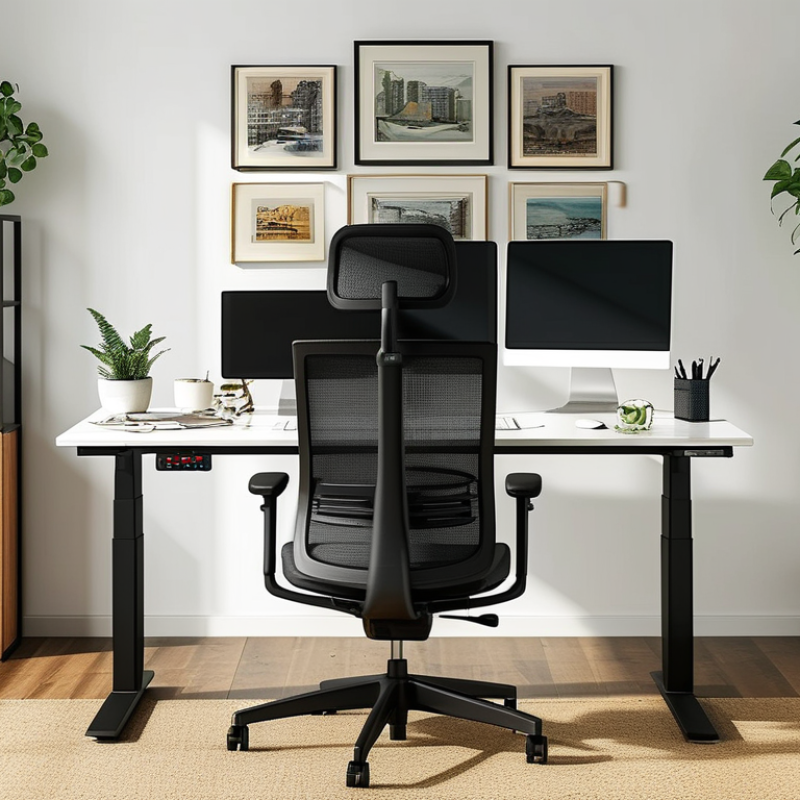
Choosing the right height for a standing desk is crucial for ergonomics. Poor desk height can lead to discomfort and long-term health issues. Research shows that 60% of office workers experience neck or back pain linked to improper desk setups. A well-adjusted desk can reduce these risks significantly.
Ergonomic experts recommend that desk height should allow for a slight bend in the elbows. Ideally, your elbows should form a 90-degree angle when typing. This position helps maintain good posture. Data also suggests that standing for too long can cause fatigue, which is why alternating between sitting and standing is beneficial. Users should consider adjusting their desks regularly throughout the day.
Many people overlook the importance of foot positioning. Feet should rest flat on the floor or on a footrest. This detail often gets missed, yet it plays a vital role in overall comfort. A mismatched desk height can create strain, leading to a cycle of discomfort. It’s essential to find the right fit for your own body size and height for optimal productivity.
| Tip Number | Tip | Description | Importance |
|---|---|---|---|
| 1 | Elbow Angle | Adjust the desk height so your elbows are at a 90-degree angle. | Critical for reducing strain |
| 2 | Monitor Height | The top of your monitor should be at or just below eye level. | Prevents neck strain |
| 3 | Feet Position | Ensure your feet are flat on the ground or a footrest. | Supports stable posture |
| 4 | Armrest Adjustment | If using an armrest, it should support your arms without raising shoulders. | Enhances comfort |
| 5 | Screen Distance | Position your screen at least an arm's length away. | Reduces eye strain |
| 6 | Keyboard Height | Keyboard should be at or below elbow height. | Promotes better hand positioning |
| 7 | Standing Duration | Alternate between sitting and standing to reduce fatigue. | Improves overall comfort |
| 8 | Desk Stability | Ensure the desk is stable with no wobble. | Essential for preventing distractions |
| 9 | Cable Management | Organize cables to keep the area tidy and safe. | Maintains a clear workspace |
| 10 | Personal Comfort | Adjust the desk to a height that feels comfortable for you. | Most important factor in ergonomics |
: Proper desk height prevents discomfort and long-term health issues. It affects posture and overall productivity.
Your elbows should form a 90-degree angle. This position supports good posture while you work.
Standing for extended periods can lead to fatigue. Alternating between sitting and standing helps mitigate this.
Your feet should rest flat on the floor or on a footrest. This detail is crucial for overall comfort.
Many people position their monitor too low. It should be at or just below eye level to reduce strain.
Neglecting foot placement can lead to discomfort and fatigue. A footrest encourages proper weight distribution.
Regular adjustments throughout the day are necessary. It helps to maintain comfort and reduce strain.
Taking breaks and shifting posture frequently can enhance productivity. These adjustments are often overlooked.
Yes, improper height can lead to back and neck pain. About 65% of users report discomfort from this.
Focus on correct monitor height, proper foot placement, and regular posture changes. Each detail contributes to overall comfort.
When considering how to choose the right height for a standing desk, it's essential to understand the role of desk height in promoting good ergonomics. Proper desk height can significantly impact comfort and productivity, which is why measuring your body dimensions is a critical first step. This involves assessing your elbow and wrist position when typing and ensuring that your screen is at eye level to prevent strain.
Additionally, look for adjustability features in standing desks that allow for easy modifications throughout the day. Fine-tuning your desk height based on different tasks and personal comfort can further enhance your experience. It's equally important to be aware of common mistakes, such as setting the desk too high or low, which can lead to discomfort over time. By following these guidelines, you can find the ideal height that supports your health and well-being while working.

 Lullaby Furniture