Designing a nursery that adapts to your child’s growth is essential for modern parenting. As children evolve, their needs change, and a well-planned nursery can make this transition smoother. According to the National Association of Home Builders, 55% of parents consider flexibility in nursery design as a top priority. This highlights the necessity for thoughtful planning in creating a space that is both functional and adaptable.
Renowned interior designer Sarah Richardson emphasizes the importance of this approach: “A nursery should be a reflection of your child’s personality while still accommodating their growth.” Her insights resonate with parents who aim to blend aesthetics with practicality.
Incorporating elements like modular furniture and adjustable décor can significantly enhance longevity. Choosing a calming color palette can also have lasting effects, promoting a nurturing environment. However, many parents overlook the importance of versatile layouts. Reflecting on common mistakes can lead to better choices. Adapting a space might require creativity and openness to change. How to design a nursery that grows with your child? This question is not just about aesthetics; it’s about fostering a lifelong connection to their environment.
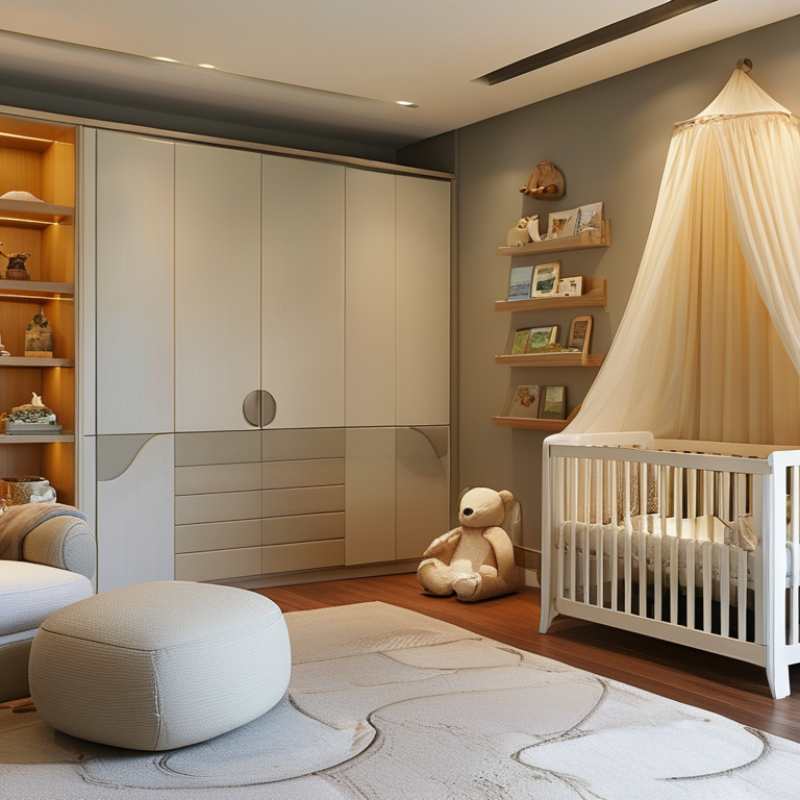
When designing a nursery, a flexible color palette can be a game changer. Choosing colors that can adapt as your child grows ensures longevity. Soft neutrals like beige or light gray can create a calming atmosphere. These shades provide a perfect backdrop for colorful accents that can easily be swapped out. By using removable wall decals or easily changeable bedding, you can refresh the room without a complete overhaul.
Consider integrating two or three main colors that harmonize well. Soft pastels or earthy tones evoke comfort and can suit various themes. Adding vibrant decor items, such as pillows or toys, allows for an easily updated look. Remember, while bold colors can be appealing, they may not age well. Reflect on your child’s changing preferences and design accordingly.
Plan for growth. As your child transitions from nursery to toddler, their interests will evolve. A color scheme that feels mature but playful can bridge these transitions. Think about incorporating elements that can grow with your child, like wall art or accessories influenced by their favorite stories. Flexibility in your color choices fosters an environment that remains inviting as your child develops their identity.
: Multi-functional furniture maximizes space and meets changing needs as a child grows. It reduces waste and saves money.
A crib that converts into a toddler bed adapts to growth. This reduces the need for new furniture as the child ages.
Parents often misjudge furniture size. A large piece can overwhelm a small nursery, emphasizing the need for thoughtful measurements.
Creating zones for play, study, and relaxation can enhance focus. Clear differentiation in space supports better social skills.
Use bright colors and durable materials. Flexible furniture invites exploration and encourages creativity for children.
A cozy reading nook fosters a love for books. Soft lighting helps reduce anxiety and creates a nurturing space for learning.
Choose transforming furniture, like a stylish desk. It should fit your child's age and evolving interests, encouraging growth and development.
Yes, constant reflection on furniture arrangements is necessary. What works well at one age may not suit another.
Balancing aesthetics with functionality is challenging. Parents must constantly adjust the environment as their child's needs change.
Designing a nursery that grows with your child involves strategic choices that balance aesthetics and functionality. To answer the question, "How to design a nursery that grows with your child?", begin by selecting a flexible color palette that ensures long-term appeal as your child's tastes evolve. Incorporating multi-functional furniture helps save space and adapt to different developmental needs, making the nursery a practical environment.
Additionally, it is essential to design distinct zones for play, study, and relaxation to cater to your child's changing activities and interests over time. Opting for durable and versatile materials will ensure that the nursery withstands the wear and tear of daily use while simplifying maintenance. Lastly, creating a personalization strategy allows you to incorporate elements that reflect your child's interests, making the space uniquely theirs as they grow. This holistic approach ensures that the nursery remains a nurturing and functional space throughout different stages of your child's life.

 Lullaby Furniture