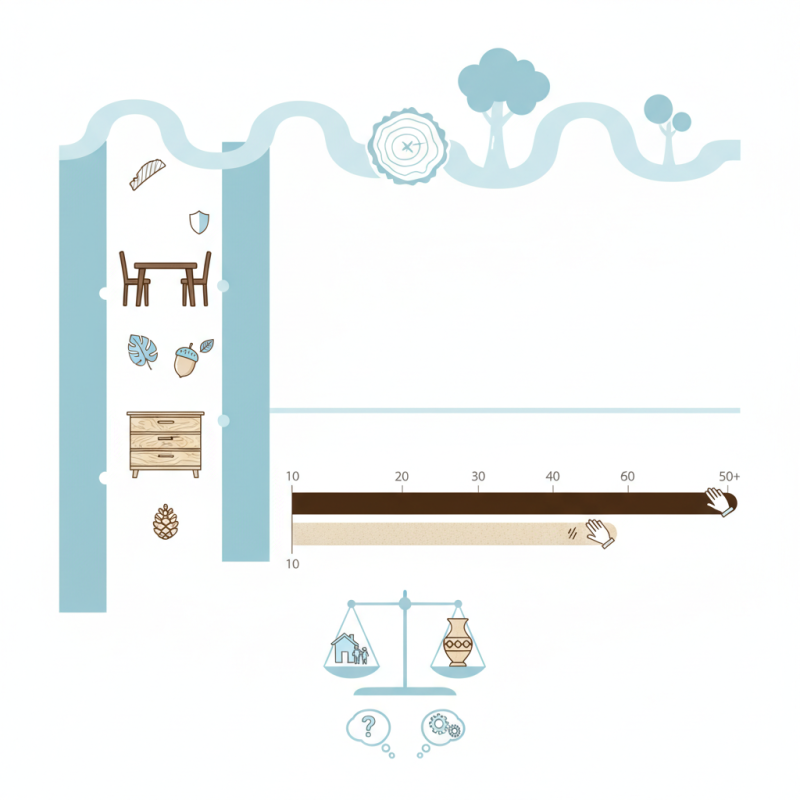
When selecting furniture, durability is key. Understanding "What is the lifespan of different furniture wood species?" is essential for informed choices. A study by the Furniture Research Institute indicates that wood types like teak and oak can last over 50 years, while softer woods, such as pine, may only endure 10 to 20 years with proper care.
Each wood type presents unique characteristics. Teak offers natural oils that protect against decay and pests. Oak, with its dense grain, resists wear and tear well. In contrast, pine is prone to scratches and dents due to its softer nature. This variability raises questions about the long-term value of each wood type.
Choosing furniture also depends on lifestyle and usage. High-traffic areas demand sturdier woods, while decorative pieces might require less durability. Consumers should weigh both aesthetics and longevity. However, not every wood option shines equally in all conditions, leading to potential reflections on personal preferences and practical needs.
Types of Wood Commonly Used in Furniture Making
When it comes to furniture making, the type of wood plays a crucial role. Some common choices include oak, maple, cherry, and pine. Each wood type offers different qualities that affect durability and longevity. For instance, oak is known for its strength and resistance to wear, lasting around 100 years. This makes it a popular choice for heirloom pieces.
Maple, on the other hand, is often chosen for its hardness and fine grain. It typically lasts about 50-80 years, making it ideal for kitchen furniture that endures daily use. Conversely, softer woods like pine, while aesthetically pleasing and easy to work with, have a shorter lifespan of around 20-30 years. Their susceptibility to scratches and dents is a consideration for many homeowners.
Understanding these differences is vital for making informed decisions. Each type of wood has unique characteristics that cater to various styles and needs. The longevity of furniture also depends on maintenance and environmental conditions. Regular care can enhance the lifespan of any wood piece, showing that not only the wood type matters but also how it is cared for.
Lifespan of Various Furniture Wood Types
This chart illustrates the average lifespan of different wood types used in furniture making, highlighting their durability and longevity in various environments.
Factors Affecting the Lifespan of Furniture Woods
The lifespan of furniture woods varies significantly based on several factors. Hardwoods, such as oak and maple, generally last longer than softwoods like pine. According to a study by the Forest Products Laboratory, hardwoods can endure 25-100 years, while softwoods may last only 10-30 years. This disparity arises from their density and grain structure.
Environmental conditions also take a toll on wood furniture. Humidity and temperature fluctuations can warp and crack the wood. A report from the National Wood Flooring Association indicates that maintaining a stable environment boosts furniture longevity. For instance, homes with consistent humidity levels around 40-60% see fewer issues.
Regular care is another factor influencing lifespan. Dusting and applying appropriate finishes can enhance durability. However, many people overlook maintenance. This neglect may lead to premature aging of the furniture. Up to 30% of homeowners fail to routinely clean their wooden pieces, potentially cutting lifespans short. Understanding these factors can guide smarter furniture purchase and care decisions.
Comparison of Durability Across Different Wood Types
When comparing the durability of various wood types for furniture, noticeable differences emerge. Hardwoods like oak, maple, and walnut typically offer excellent longevity and resistance to wear. According to the National Hardwood Lumber Association, oak shares a Janka hardness rating of 1360, making it ideal for high-traffic items like tables and chairs. In contrast, softer woods such as pine, with a Janka rating of 690, will dent and scratch more easily.
Consider the environmental conditions where your furniture will be placed. Humidity can affect wood performance. For example, wood types like teak and mahogany are naturally more resistant to moisture, crucial for outdoor furniture. A report by the Forest Products Laboratory states that untreated softwoods may warp if exposed to fluctuating moisture levels.
**Tips:** Maintain your furniture by applying proper finishes. Regularly check for signs of wear and treat scratches promptly. When choosing wood, think about your lifestyle and how much use the furniture will get. Remember, even durable woods may require care to keep them looking great over time.
Maintenance Practices to Extend the Life of Wooden Furniture
To extend the life of wooden furniture, regular maintenance is crucial. Dust accumulates quickly on wooden surfaces. Use a soft cloth to wipe away dust regularly. This small act prevents scratches and maintains the wood’s finish. When cleaning, avoid excess moisture. Too much water can warp the wood over time. Instead, use a damp cloth for deeper cleaning, ensuring you dry the surface immediately.
Applying a suitable furniture polish can also enhance longevity. A good polish nourishes the wood and protects against wear. However, be careful not to over-polish. This can lead to a buildup that dulls the finish. It’s wise to test any product first on a hidden area. If the finish appears smooth and intact, you can proceed confidently.
Considering humidity levels is essential. Extreme dryness or excess moisture can crack the wood. A humidifier can help maintain appropriate moisture levels. Alternatively, dehumidifiers work well in damp environments. Be mindful of your furniture’s location. Avoid placing it near heating vents or in direct sunlight, as both can damage the wood. Regularly assessing and adjusting your environment is vital to preserving your beautiful furniture.
Lifespan of Various Furniture Wood Types Explained
| Wood Type |
Average Lifespan (Years) |
Common Uses |
Maintenance Practices |
| Oak |
50-100 |
Dining tables, cabinets |
Regular dusting, oiling every 6 months |
| Pine |
10-30 |
Furniture, paneling |
Avoid direct sunlight, use protective coating |
| Mahogany |
60-100 |
Luxury furniture, boats |
Polish twice a year, control humidity |
| Teak |
50-75 |
Outdoor furniture, flooring |
Oil annually, clean with mild soap |
| Maple |
30-50 |
Countertops, cabinets |
Seal with protective finishes, avoid excessive water |
Signs of Wear and When to Replace Wooden Furniture
Wooden furniture can last for many years, but signs of wear are often subtle. Scratches, dents, and fading can signal it's time for a replacement. According to the American Home Furnishings Alliance, wooden furniture typically lasts 10 to 15 years, depending on the type of wood and care. Understanding the lifespan of various woods helps homeowners make informed decisions.
Pay attention to joints and seams. If you see cracks or if pieces start to separate, this indicates structural issues. Furthermore, a worn finish can lead to more extensive damage. Regular cleaning and conditioning may extend furniture's life, but when it starts looking weary, replacing it can be wiser.
Some woods, like oak and maple, are known for durability. They can withstand daily use better than softer woods like pine. However, even durable wood will show signs after years of wear. Don't ignore those signs. Addressing them promptly can save you from costlier repairs later.
Observer patterns of damage and act accordingly to maintain an attractive and functional home.
FAQS
: Hardwoods last longer than softwoods. Hardwoods endure 25-100 years; softwoods last only 10-30 years.
Humidity and temperature can warp wood. Stable conditions, around 40-60% humidity, help furniture last longer.
Regular dusting and using a soft cloth help. Avoid excess moisture; it can warp the wood over time.
Yes, polish nourishes wood. But over-polishing can dull the finish. Test on hidden areas first.
Look for scratches, dents, and fading. If joints start to separate, it may be time for replacement.
Regular cleaning is crucial. Many homeowners neglect this, potentially cutting lifespans short by up to 30%.
Conclusion
The article "Lifespan of Various Furniture Wood Types Explained" delves into the longevity of different wood species commonly used in furniture making. It outlines several types of wood, such as oak, mahogany, and pine, discussing their unique properties and the factors affecting their lifespan. Key elements influencing durability include environmental conditions, usage patterns, and inherent wood characteristics.
Furthermore, the article provides a comparative analysis of the durability across various wood types, helping readers understand how long they can expect their furniture to last. Maintenance practices are highlighted as effective ways to extend the life of wooden furniture, while also illustrating signs of wear that indicate when it might be time to consider replacement. Ultimately, the article answers the question: What is the lifespan of different furniture wood species? By understanding these factors, consumers can make informed choices when selecting furniture for their homes.

 Lullaby Furniture