How to Identify Quality Craftsmanship in Leather Sofas?

Time:2026-07-03 Author:Liam
0%

When it comes to leather sofas, craftsmanship is key. A well-crafted leather sofa can be a centerpiece in a room and an investment that lasts for years. However, many consumers struggle with the question: "How to spot high-quality craftsmanship in leather sofas?" The market is flooded with options, but not all are created equal. According to a recent industry report by Furniture Today, nearly 70% of sofa buyers prioritize durability and craftsmanship when making a purchase.

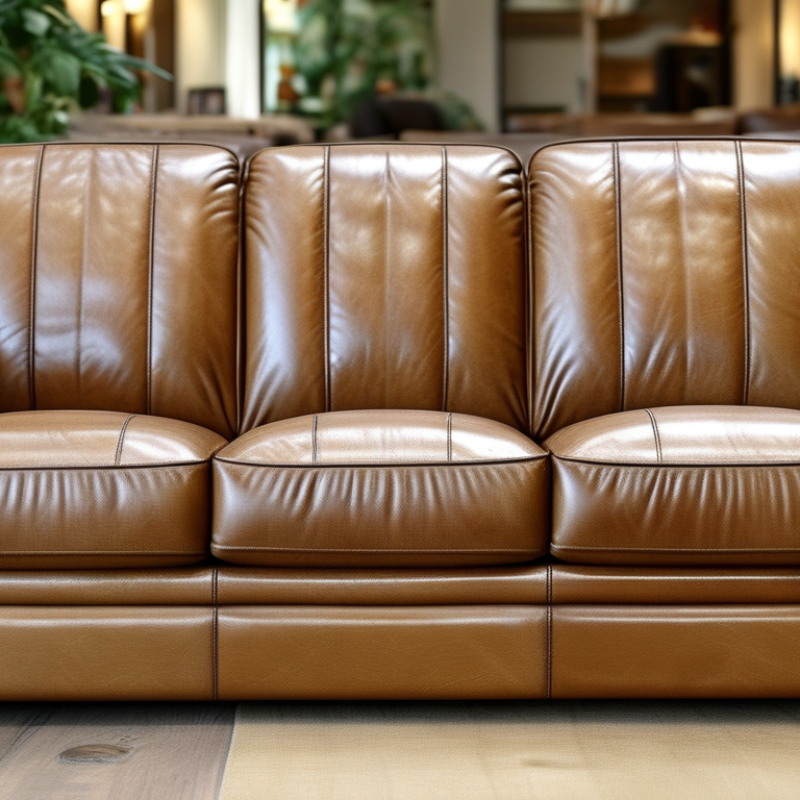
Quality craftsmanship not only ensures longevity but also enhances the aesthetic appeal of a leather sofa. Look for details such as even stitching, high-quality leather grains, and solid wood frames. These characteristics often indicate superior quality and attention to detail. However, it's essential to recognize that not every beautiful sofa is well-made. Some manufacturers may use appealing designs to mask inferior craftsmanship.

Understanding how to identify genuine quality can prevent costly mistakes. Investing in education about what defines a high-quality leather sofa is crucial. With the right knowledge, buyers can confidently navigate the market and choose a sofa that embodies both style and substance.
How to Identify Quality Craftsmanship in Leather Sofas?

Understanding the Basics of Quality Leather Sofa Craftsmanship

When assessing the craftsmanship of leather sofas, consider the type of leather used. Full-grain leather, known for its durability, retains natural imperfections. These unique marks tell the story of the hide, contributing to authenticity. According to a report by the Leather Research Institute, full-grain leather lasts up to five times longer than corrected leather. This longevity makes it a wise investment for quality-conscious consumers.

The stitching on a leather sofa also reveals much about its craftsmanship. Look for even, tight stitches, typically made with high-quality polyester thread. A study from the Furniture Association found that well-stitched seams enhance both strength and aesthetics. Pay attention to hidden areas too. Many manufacturers cut costs by using cheaper materials or poor stitching where it's not visible. Such corners cut can lead to issues down the line.

Frame construction is another critical factor. Solid wood frames withstand wear better than particleboard or cheap veneers. Research by the International Furniture and Interior Design Institute indicates that a sturdy frame can improve the sofa's lifespan. However, even solid frames may have flaws. Warping and cracking can occur over time. Consumers should ask about warranty and care instructions to avoid disappointment.

Materials Used in High-Quality Leather Sofas

When assessing leather sofas, materials play a crucial role in determining quality. High-quality leather typically begins with full-grain or top-grain hides. These types retain the natural grain and imperfections of the animal hide, offering durability and a unique aesthetic. The texture should feel rich and supple, not overly processed or glossy, which may hint at inferior quality.

Moreover, the type of leather finish matters significantly. Aniline leather, for instance, showcases the beauty of natural imperfections and offers a soft touch. Semi-aniline leather is also a strong contender, providing a balance of durability and softness. When you sit on such sofas, they often feel more comfortable and conform to your body over time.

Consider also the craftsmanship that goes into assembling these materials. The stitching lines should be tight and even, demonstrating attention to detail. Any visible imperfections in stitching may indicate a lack of care. A properly crafted leather sofa will not only enhance your decor but also offer longevity, provided you care for it correctly. Remember, not every sofa that looks good is made from quality materials; careful observation is essential.

Key Construction Techniques That Indicate Quality

When evaluating leather sofas, focus on specific construction techniques that indicate quality. First, check the stitching. High-quality sofas often feature double-stitched seams. This method provides extra durability and reduces the risk of unraveling. Single stitching may seem adequate but can lead to problems over time. Look for even, tight stitches that show craftsmanship.

Next, consider the frame materials. A well-constructed frame uses solid hardwood or plywood. Avoid sofas made from particleboard. Particleboard lacks strength and can warp. A strong frame supports the sofa's weight and enhances longevity. Openness to inspecting inside the sofa can reveal a lot about its build quality.

Finally, evaluate the cushion filling. Quality sofas use high-density foam or down feathers. This ensures comfort and resistance to sagging. Sofas may seem cushy at first but can lose support quickly if filled with low-grade materials. Such inconsistencies may reflect the manufacturer's overall commitment to quality. Identifying these details can guide you to a durable and well-crafted leather sofa.

Signs of Poor Craftsmanship to Avoid When Buying

When shopping for leather sofas, be vigilant about signs of poor craftsmanship. Weak seams are a red flag. If you notice loose or uneven stitching, the sofa may not endure daily use. Quality sofas should have tight, even stitches that connect the leather securely.

Leather quality is another concern. If the leather feels thin or looks artificial, it might not last long. Genuine leather has a distinct texture and scent. Inspect the surface for blemishes or wrinkles; these signs often indicate bad production methods. Careful craftsmanship should present a smooth and consistent finish throughout.

Tips: Check the frame as well. A solid wooden frame is vital for durability. Avoid sofas made with pressboard or particleboard. They can warp over time. Additionally, consider the cushioning. Poor-quality foam can sag quickly. Opt for high-density foam for better support and longevity. A true craftsmanship showcases attention to detail, ensuring both aesthetics and function.

Maintenance Tips for Prolonging the Life of Leather Sofas

Leather sofas can be a beautiful addition to any home. To keep them looking their best, proper maintenance is essential. Regular care can extend the life of your leather furniture significantly.

One key tip is to clean your sofa frequently with a soft, dry cloth. This removes dust and prevents dirt from settling into the leather. Avoid using harsh chemicals; they can damage the leather. Instead, use a specialized leather cleaner every few months. Test it on a small area first to ensure it doesn’t discolor the material.

Another important aspect is moisturizing the leather. Using a high-quality leather conditioner once or twice a year helps maintain its suppleness. Applying too much moisturizer can lead to a sticky residue. Don’t forget to protect your sofa from direct sunlight. Prolonged exposure can cause fading and cracking.

These small actions can make a noticeable difference over time. Taking proper care of your leather sofa allows it to age gracefully while maintaining its charm.

FAQS

: What type of leather is most durable for sofas?

: Full-grain leather is the most durable option. It retains natural imperfections and can last significantly longer.

How can I tell if a leather sofa is well-made?

Check for tight, even stitching. High-quality sofas use strong threads and have even seams throughout.

What should I consider when looking at the frame of a leather sofa?

Solid wood frames are more durable than particleboard. However, even solid frames might warp or crack over time.

How often should I clean my leather sofa?

Clean it regularly with a soft, dry cloth. This prevents dust build-up and preserves the leather's condition.

What type of leather finish should I look for?

Aniline leather offers a soft touch and showcases natural beauty. Semi-aniline leather is also a great choice for durability.

How can I maintain the suppleness of my leather sofa?

Use a high-quality leather conditioner once or twice a year. Avoid using too much to prevent a sticky residue.

Can sunlight affect my leather sofa?

Yes, direct sunlight can cause fading and cracking. Protect your sofa from prolonged exposure to maintain its appearance.

What if I notice imperfections in my leather sofa?

Some imperfections are normal and add character. However, visible flaws in stitching may indicate poor craftsmanship.

Should I worry about the longevity of cheaper leather options?

Yes, cheaper leather options typically have a shorter lifespan. Investing in quality can save money in the long run.

How do I know if a leather sofa is comfortable?

Sit on the sofa; it should feel soft and conform to your body. Avoid overly processed leather, which can be stiff.

Conclusion

When considering "How to spot high-quality craftsmanship in leather sofas?", it's crucial to understand the basic principles of craftsmanship that define a superior product. High-quality leather sofas are typically made from premium materials, such as full-grain or top-grain leather, which not only offer durability but also develop a rich patina over time. Additionally, expert construction techniques, such as joint reinforcement and double-stitching, are indicators of a thoughtfully crafted piece.

As a potential buyer, it’s essential to recognize signs of poor craftsmanship—like uneven seams, inconsistent leather quality, or inferior framing—which can compromise the sofa's longevity. Furthermore, proper maintenance, including regular cleaning and conditioning, plays a vital role in prolonging the life of leather sofas, ensuring that your investment maintains its beauty and integrity for years to come.

Liam

Liam

Liam is a dedicated marketing professional with a profound expertise in the industry, where he excels at highlighting the unique advantages of our core products. With a keen understanding of market trends and consumer needs, Liam frequently updates our company’s professional blog, providing......