The rise of open concept layouts is changing the way we design furniture. Many homes now feature large, continuous spaces, eliminating traditional room divisions. This shift prompts designers to rethink furniture functionality and aesthetics. Expert interior designer Sarah Anderson states, "Furniture must adapt to create harmony in an open space." Her insight reflects the challenge of blending various functions without compromising style.
Why is the "open concept" layout changing furniture design? It requires multifaceted furniture that complements seamless transitions between living areas. For example, a sofa must now serve both relaxation and social interaction, while also fitting effortlessly into an expansive area. This evolution leads to creative solutions, such as modular units that can be rearranged easily.
Yet, this transition is not without its flaws. Finding a balance between freedom and distinctiveness in furniture remains a challenge. The need for versatile pieces can sometimes sacrifice individual character. As trends continue to shift, designers must navigate this delicate landscape, ensuring furniture remains both functional and visually appealing in open environments.
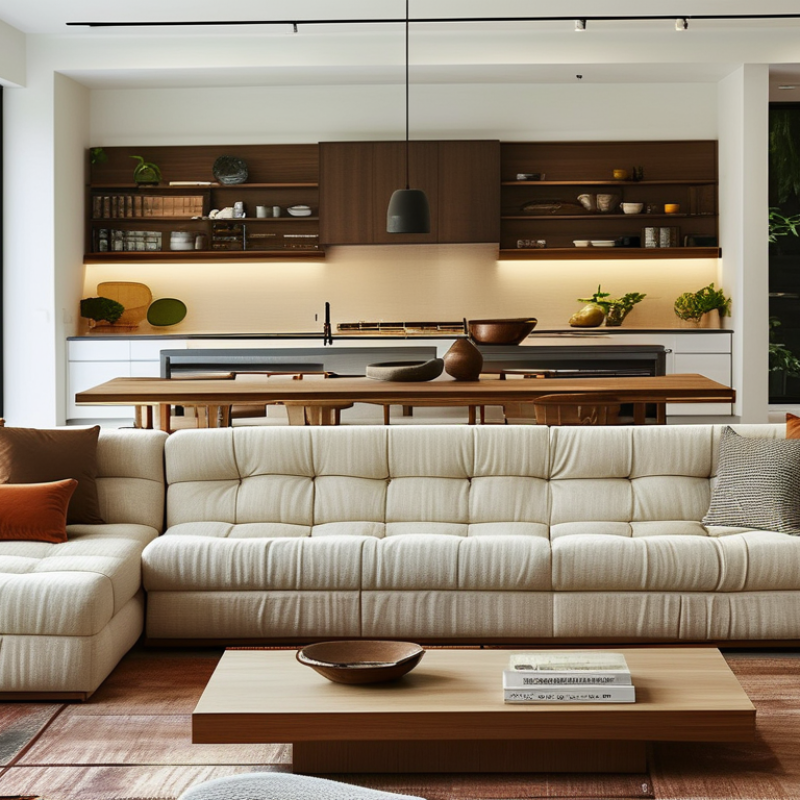
Open concept layouts are transforming how we approach furniture design today. Traditional designs often emphasized compartmentalized spaces. However, the shift to open layouts requires furniture that promotes fluidity and space cohesion. A sectional sofa may replace more rigid seating arrangements. This change encourages conversation and interaction, aligning with modern lifestyles.
Modern furniture must adapt to multiple functions. A coffee table can serve as a workspace or dining surface. The emphasis is on multifunctionality and simplicity. Designers are exploring materials that blend aesthetics with practicality. Yet, this can lead to a lack of distinct character. The challenge lies in creating pieces that feel personal while remaining versatile.
Color palettes and textures are also influenced by open concept designs. Neutral tones are popular, making spaces feel larger. However, reliance on soft hues can lead to monotony. The balance between comfort and style becomes critical. Ultimately, furniture design must evolve continually, responding to the changing needs of modern living. This dynamic can lead to innovative solutions or, at times, uninspired choices. Adapting to these shifting requirements can be both exciting and daunting.
The evolution of furniture design has been significantly influenced by the rise of open concept layouts. According to a recent survey by the American Institute of Architects, 70% of new homes now feature these designs. This shift has required designers to rethink furniture functionality and aesthetics. In an open space, furniture must serve multiple purposes. A simple chair can become a statement piece or a subtle blend into the background.
Functional and stylish furniture is essential in open spaces. Items must not only be visually appealing but also practical. For example, modular sofas allow flexibility. They can be rearranged to fit diverse activities, from entertaining to relaxing. The challenge lies in balancing form and function. As homeowners seek unique designs, some furniture pieces may struggle to meet diverse needs simultaneously.
Sustainability is a growing concern in furniture design. A report from the Global Sustainability Forum found that 55% of consumers prefer environmentally-friendly materials. This trend compels designers to find innovative solutions. Incorporating recyclable materials or upcycled items can enhance both beauty and functionality. Yet, the search for sustainable options can lead to compromises on design. This complexity highlights the ongoing need for creative problem-solving in the industry.
| Furniture Type | Design Feature | Material | Functionality |
|---|---|---|---|
| Sofa | Modular, versatile configurations | Fabric, leather, eco-friendly materials | Seating flexibility and multi-use |
| Coffee Table | Lightweight, movable designs | Wood, glass, metal | Multi-purpose use (storage, dining) |
| Dining Table | Expandable options for gatherings | Solid wood, composite materials | Accommodates different number of users |
| Bookshelf | Open, airy construction | Metal, wood, glass | Display and storage integration |
| Accent Chair | Unique silhouettes and colors | Fabric, leather, plastic | Personal expression and added seating |
In open concept living spaces, furniture design must adapt to enhance flexibility. Key features tailor furniture to create multifunctional areas that support diverse activities. According to a recent report by the American Institute of Architects, nearly 70% of new homes embrace open layouts. This trend dictates innovative furniture solutions to optimize space utilization.
Modular furniture is paramount for open concepts. Pieces that can be rearranged or expanded accommodate gatherings or quiet moments. Such flexibility allows homeowners to redefine spaces effortlessly. Multi-functional designs, such as sofas that convert into beds, cater to visitors while maintaining aesthetic appeal. However, finding the right balance between style and utility can be challenging.
**Tip:** Invest in lightweight furniture. It simplifies the process of changing layouts. Choose items that complement your decor but serve multiple purposes.
In open spaces, storage solutions are critical. Consider furniture with hidden compartments. They organize essentials while keeping the area uncluttered. Yet, many overlook the importance of personal touches that make the space feel like home. The risk? A beautifully designed room that lacks warmth and personality.
**Tip:** Incorporate plants or artwork to enhance character. They can transform a sterile space into a vibrant oasis. Prioritize both function and emotional connection in your choices.
The open concept layout is more than a trend; it’s shaping consumer preferences significantly. Recent statistics reveal that around 70% of homeowners prefer open spaces. This preference drives designers to rethink furniture arrangements and styles. As families grow closer in communal areas, the need for multifunctional furniture rises.
An overwhelming 65% of consumers now choose pieces that are both stylish and practical. Sofas with storage compartments and extendable dining tables are in high demand. However, this trend raises questions about personal space and privacy. In such open environments, where do individuals retreat for solitude?
Despite the desire for openness, many find themselves yearning for defined spaces. A survey indicated that 45% of respondents miss the sense of separation offered by traditional layouts. This tension between connectivity and privacy is an ongoing challenge for designers. Balancing these needs requires creativity and awareness of evolving consumer dynamics.
Open concept layouts have transformed the way we think about interior spaces. These designs encourage fluid movement between different areas, but they pose unique challenges for furniture design. Such layouts require multifunctionality and adaptability. Data from the National Kitchen and Bath Association indicates that 73% of homeowners prefer open floor plans. This statistic underscores the demand for flexible furniture solutions.
Furniture must now serve multiple purposes. For example, a sofa might transform into a bed, or a coffee table could double as a workstation. This adaptability is essential in optimizing space. Many designers are now focusing on modular pieces, as reported by the International Furniture Fair, which highlighted a 25% increase in modular furniture popularity in the past two years.
**Tip:** Consider furniture that complements the openness of your space. Opt for transparent or light materials to enhance visibility.
However, designing for open layouts can be tricky. Distinct zones may become blurred, leading to clutter. Balancing aesthetics and functionality is vital. Unique storage solutions can help maintain an organized look while enhancing practicality.
**Tip:** Use dividers or rugs to define areas. This will prevent the space from feeling chaotic.
Choosing the right furniture can significantly impact the ambiance of an open concept home. Every piece should contribute to smooth transitions and visual harmony.
: Open concept layouts are designs that promote fluid spaces, eliminating traditional compartmentalized rooms.
Furniture must encourage interaction and serve multiple purposes. For example, modular sofas replace rigid seating.
With open layouts, furniture needs to perform various roles, like a coffee table acting as a workspace.
Designers prefer materials that blend beauty and functionality, yet finding a unique character can be challenging.
Neutral tones are popular for openness, but over-reliance can lead to a monotonous look.
About 65% of consumers want stylish yet practical furniture, like sofas with storage.
Many consumers favor eco-friendly materials, but this can compromise design aesthetics.
While 70% prefer open spaces, 45% miss the privacy offered by traditional layouts.
Designers must balance the need for community with the desire for personal space and privacy.
Adapting to consumer needs while maintaining innovative and functional designs can be a daunting task.
The "open concept" layout is undeniably reshaping furniture design, prompting a range of trends that prioritize flexibility and adaptability. As homes move towards more integrated and spacious environments, furniture designers are evolving to meet the needs of consumers who favor the fluidity of open spaces. The impact is clear: modern furniture is increasingly designed to serve multiple purposes, with an emphasis on modularity and mobility, allowing for easy reconfiguration to suit various activities and gatherings.
Industry statistics reveal a growing consumer preference for open concept living, which further accentuates the need for innovative furniture solutions. However, challenges remain in creating pieces that balance aesthetic appeal with functionality while ensuring durability in shared spaces. Overall, the question "Why is the 'open concept' layout changing furniture design?" underscores the necessity for the industry to adapt and innovate continuously, resulting in designs that enhance everyday living within contemporary homes.

Lullaby Furniture