Benefits of Custom Made Furniture Versus Mass Produced Options?

Time:2026-06-30 Author:Sophia
0%

When considering furniture for your home, a significant debate arises: "What are the benefits of custom-made furniture vs. mass-produced?" The custom furniture market has been growing steadily, with a forecasted increase of 24% by 2025, according to a report from the Global Industry Analysts, Inc. This rise indicates a shift in consumer preferences toward personalized, high-quality options over mass-produced items.

Experts like furniture designer Emily Henderson emphasize, "Custom furniture allows for unique styles that reflect the individual’s taste." This personalization creates a deeper connection between the furniture and its owner. Mass-produced options often lack the distinctiveness and craftsmanship found in custom pieces. While mass-produced furniture may offer affordability, it often sacrifices quality and durability.

Consumers often find themselves drawn to the allure of customization. Custom furniture is tailored to fit specific spaces, ensuring optimal functionality. Additionally, the materials and finishes can be selected based on the owner’s preferences, allowing for a more cohesive home aesthetic. However, it is essential to consider that not every custom piece is within reach, and the price point can be a barrier for some. Balancing personalization with budget constraints presents challenges for many homeowners.
Benefits of Custom Made Furniture Versus Mass Produced Options?

Understanding Custom Made Furniture and Its Unique Features

Custom made furniture stands out due to its tailored features. Unlike mass-produced options, custom pieces are designed to meet specific needs and preferences. This personalization ensures that every piece perfectly fits the designated space. Customized materials and finishes can enhance home aesthetics and functionality.

One of the unique aspects of custom furniture is the craftsmanship involved. Skilled artisans create these pieces, often using high-quality materials. This attention to detail ensures durability and longevity. Furthermore, customers can choose designs that reflect their personal style. From choosing the fabric to the dimensions, every choice matters.

Tips for designing custom furniture: Consider your lifestyle needs. Think about how you use your space daily. Additionally, keep functionality in mind. A beautiful piece may lose its charm if it's not practical. Balance beauty with usability.

Benefits of Custom Made Furniture Versus Mass Produced Options

Comparing Quality and Durability: Custom vs. Mass Produced Furniture

When comparing custom made furniture to mass produced options, quality and durability serve as essential factors. Custom furniture often employs high-quality materials. These materials are chosen based on the client’s needs and preferences. For example, a solid wood table may last for generations, while mass-produced pieces might use composite materials that deteriorate over time. This durability becomes significant, especially in high-traffic areas of the home.

Moreover, custom furniture allows for tailored craftsmanship. Artisans use detailed techniques that enhance durability. Each piece is crafted individually, ensuring that it meets specific standards. However, the attention to detail in custom options can lead to higher costs. Some may find this investment worthwhile, while others might struggle to justify it. Mass-produced options often appeal to budget-conscious consumers. Yet, the quality can be inconsistent, leading to quicker wear and tear.

In terms of sustainability, custom furniture often presents greener choices. Many artisans prioritize responsibly sourced materials. Conversely, mass production typically involves resource-intensive processes. However, not all custom pieces are eco-friendly, and some may use materials with questionable origins. Consumers must weigh their options carefully, considering both durability and environmental impact in their decisions.

Design Flexibility: Tailoring Custom Furniture to Your Lifestyle

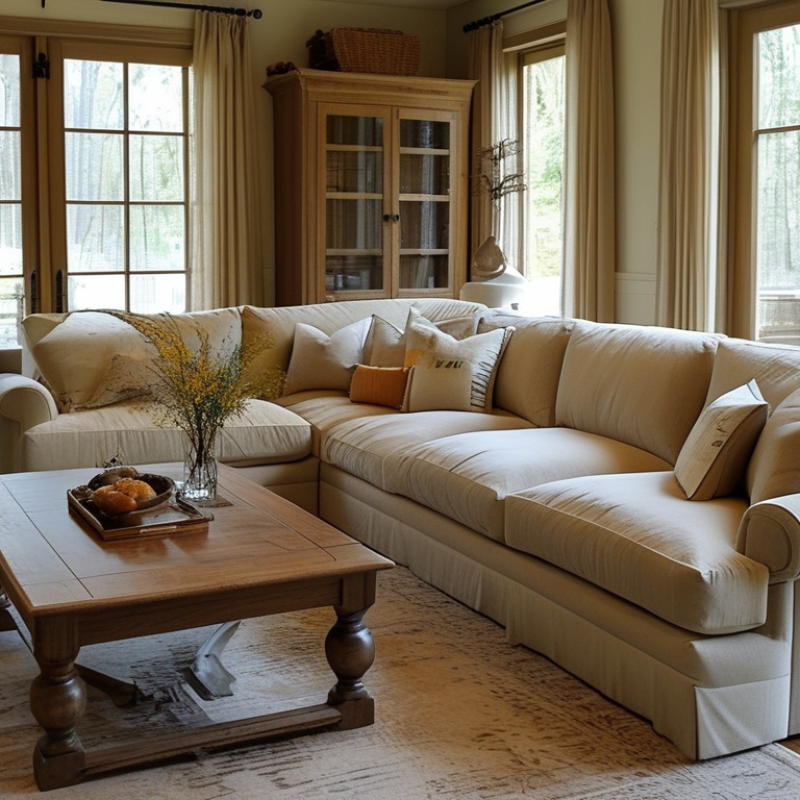
When it comes to design flexibility, custom-made furniture stands out. It allows you to create pieces that fit your space and lifestyle perfectly. Imagine a sofa that hugs the corner of your living room. You choose the fabric, size, and style. This makes your home more comfortable and unique.

Mass-produced options often lack this personal touch. They come in standard sizes and styles. While these pieces can be convenient, they might not fit well in your home. You may find that the furniture doesn't align with your aesthetic or functional needs. It’s essential to consider your lifestyle and how your furniture plays into it.

Tips:

  • Think about your daily activities. Are you entertaining guests often? Choose a larger dining table to accommodate gatherings.
  • Consider your family size as well. Larger families may need more seating options.

Customization allows for imperfections too. A bespoke piece may not always be flawless. It could have slight variations in color or texture. Embrace these details. They add character and reflect your journey in choosing that piece. You are not just buying furniture; you are investing in a story.

Cost Considerations: Is Custom Furniture Worth the Investment?

Investing in custom furniture often comes with a higher price tag compared to mass-produced options. However, the value it adds can justify the costs. When choosing materials and designs, you gain control over quality and longevity. Quality wood, for instance, stands the test of time better than cheaper alternatives. This can save you money in the long run as you may not need replacements.

Custom furniture also offers unique designs tailored to your space. You can create pieces that reflect your personal style, enhancing the overall aesthetic of your home. However, this creative freedom can lead to overspending if one isn't careful. Set a clear budget before diving into custom designs. It's easy to get carried away with high-end materials or intricate features.

Moreover, consider the emotional return on investment. Custom pieces often tell a story. They may hold memories or represent significant milestones. While you might pay more upfront, the meaningful connection can outweigh the cost. Balancing functionality, style, and budget is crucial, ensuring you receive value without compromising your financial health.

Benefits of Custom Made Furniture Versus Mass Produced Options

Dimension Custom Furniture Mass Produced Furniture
Cost Higher initial investment, typically 20-50% more Lower cost, affordable options available
Quality Superior craftsmanship and materials Variable quality, often lower durability
Customization Fully customizable to specific needs Limited customization options
Sustainability Often sourced from eco-friendly materials May use unsustainable materials
Delivery Time Longer wait time (several weeks to months) Immediate availability from stock
Longevity Long-lasting, often passed down Shorter lifespan, may require replacement

Sustainability and Material Choices in Custom vs. Mass Produced Options

When considering sustainability, custom made furniture stands out. Homeowners can select eco-friendly materials that meet personal values. Sustainable woods, recycled metals, and organic fabrics offer far greater choices. This reduces the carbon footprint compared to mass produced options, which often rely on less sustainable resources.


Mass produced furniture typically uses cheaper materials to maximize profit. This approach may sacrifice quality and longevity. Custom pieces, however, can be designed to last for generations. Each item reflects personal taste and carries unique craftsmanship. This connection enhances the emotional value of furniture. Additionally, choosing local artisans supports the community and helps reduce transportation emissions.


It's important to reflect on the environmental impact of our purchases. Custom furniture invites a thoughtful approach to consumption. However, it can also carry a higher initial cost. This may discourage some buyers. Balancing aesthetics, sustainability, and budget is essential. Ultimately, understanding these dynamics shapes our choices in furniture.

FAQS

: What is custom made furniture?

: Custom made furniture is designed to fit specific needs and preferences, unlike mass-produced options.

How does custom furniture enhance home aesthetics?

Customized materials and finishes can improve both appearance and functionality in your home.

What is important about craftsmanship in custom furniture?

Skilled artisans use high-quality materials, ensuring durability and attention to detail in each piece.

How can I choose designs for custom furniture?

You can select fabrics, dimensions, and styles that reflect your personal style and needs.

What should I consider when designing custom furniture?

Consider your lifestyle needs and how you use your space. Functionality is essential.

Can custom furniture have imperfections?

Yes, bespoke pieces might have slight variations. Embrace these details for character.

Why choose custom furniture over mass-produced options?

Custom pieces fit your space better and provide a personal touch that mass-produced furniture lacks.

How can family size influence furniture design?

Larger families might need more seating. Think about your entertaining habits too.

What if my custom furniture doesn't match perfectly?

Minor flaws may occur, but they add uniqueness and tell a story about your taste.

Is custom furniture always practical?

A beautiful piece should also be functional. Balance aesthetics with usability for the best results.

Conclusion

When considering home furnishings, a pivotal question arises: what are the benefits of custom-made furniture vs. mass-produced? Custom-made furniture offers unique features that cater specifically to individual needs and preferences, enhancing both aesthetic appeal and functionality. Unlike mass-produced options, custom pieces are crafted with an emphasis on quality and durability, resulting in products that stand the test of time.

Furthermore, design flexibility is a significant advantage of custom furniture, allowing homeowners to tailor pieces to their specific lifestyles and spatial constraints. While cost may be a factor to consider, the investment in custom options often pays off in terms of longevity and satisfaction. Additionally, custom furniture often incorporates sustainable materials, promoting an eco-friendly approach to home décor compared to mass-produced alternatives, which may compromise these values for lower costs.

Sophia

Sophia

Sophia is a dedicated marketing professional with an exceptional depth of knowledge about her company's products and services. With a keen understanding of market trends and customer needs, she crafts insightful blog posts that not only inform but also engage readers, enriching the company’s online......