Measuring your room accurately is essential when considering a sectional sofa. Understanding how to measure your room before buying a sectional sofa can save you time and money. It helps ensure that your chosen piece fits both the space and your lifestyle.
Begin by visualizing how you want the sofa to fit within the room. Take into account any obstacles, like doors and windows. Use a measuring tape to determine the length and width of the space where the sectional will go. This exercise can seem daunting at first. It can be easy to underestimate the importance of precise measurements.
Many people overlook clearance space. This includes walking areas and access to other furniture. It’s crucial to factor these details in. Also, double-check your measurements. Mistakes can lead to a poor fit. Think about the scale of the room too. A large sectional in a small room can feel overwhelming. Balancing size and style will lead to a more harmonious living space. Accurately measuring your room sets the stage for successful sectional sofa shopping.
Measuring your room accurately is crucial when selecting a sectional sofa. The right dimensions can make a significant difference in comfort and aesthetics. According to the American Home Furnishings Alliance, nearly 60% of homeowners struggle with furniture placement due to improper measurements. This challenge can lead to overcrowded spaces or wasted area, especially when it comes to sectional sofas.
To begin, measure your room's length and width. Use a tape measure for precision. Make sure to account for doorways and windows that can restrict placement options. A well-measured space ensures that the sofa not only fits but also complements the flow of your room. Experts suggest leaving at least 18 inches of walking space around the sofa. This allows for easy navigation and creates a welcoming environment.
Consider the sofa's configuration. Many sectionals come in various shapes. A L-shape might fit snugly in a corner, while a U-shape could dominate smaller spaces. Sometimes, people choose to ignore these aspects, leading to cramped living areas. Knowing your room dimensions can prevent such pitfalls. Remember, properly measured spaces promote both functionality and style.
This chart illustrates the common room dimensions suitable for various sectional sofa configurations, helping you visualize space requirements based on sofa sectional arrangements.
Measuring a room accurately is essential when selecting a sectional sofa. The right techniques can prevent costly mistakes. According to the National Furniture Association, over 30% of customers report issues due to incorrect measurements. To avoid this, focus on these measurement strategies.
Begin by using a reliable measuring tape. Ensure it’s at least 25 feet long for larger spaces. Measure the length and width of your room. Don’t forget to include any architectural features like doors, windows, or radiators. These can impact the sofa's placement. Always double-check your measurements. The tiniest error can lead to a poor fit.
Tips: Measure three times before making a decision. Consider creating a simple floor plan. Transfer your measurements to graph paper or a digital tool. This visual representation allows you to see how a sectional will fit. It’s also beneficial to visualize your space filled with furniture. Take photos of your room for reference later.
Lastly, avoid limiting yourself to one measurement type. Use different techniques, like laser distance measurers, for greater precision. The difference between a comfortable and cramped space often lies in proper measurements. Don’t rush this step; investing time here ensures your sofa will enhance your living area.
When measuring your room for a sectional sofa, consider the layout and traffic flow. The arrangement of furniture influences how people move within the space. Identify key pathways to ensure ample room for walking. A minimum of 30 inches of clearance is ideal for comfortable movement. This will help avoid crowding and create a welcoming environment.
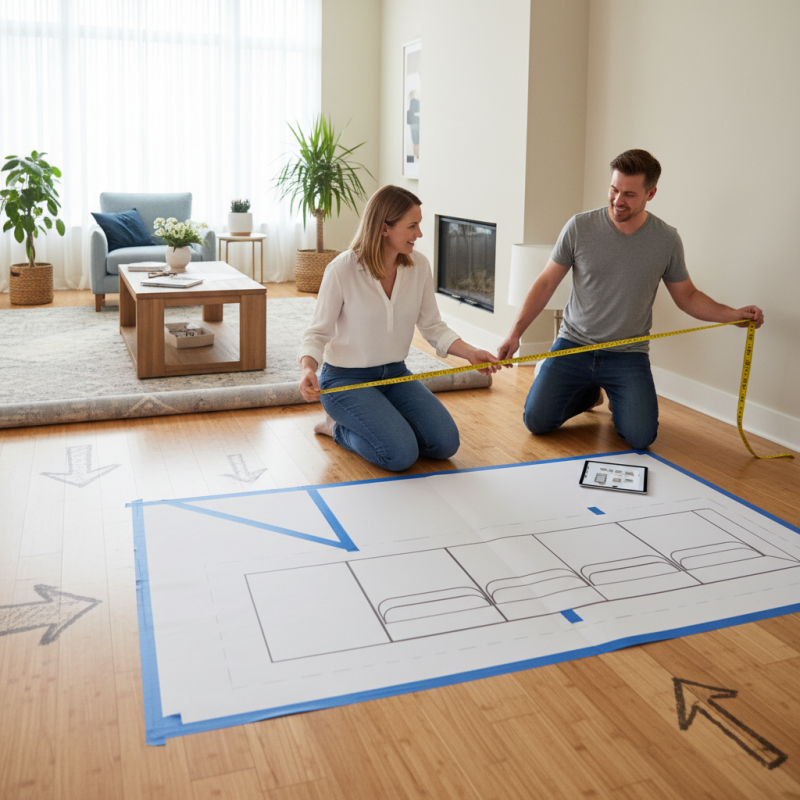
Visualize your room's layout before making any decisions. Use tape to mark where the sectional will be placed. This can help illustrate how much space it will occupy. Observe how this setup alters the flow of foot traffic. You might find that an alternative position improves accessibility or enhances the room’s aesthetics. Remember, flexibility is key. Sometimes, the first layout you envision may not be the best.
Consider the specific needs of your family when prioritizing traffic flow. It is common to overlook spaces that often see a lot of activity. For instance, places near doorways often require extra space. Reflecting on how your family uses the room can reveal unique patterns. This understanding is vital in creating a harmonious living area that feels both functional and stylish.
When considering a sectional sofa, understanding sizes and configurations is crucial. A sectional can transform a living space, but it must fit well. Measure your room's length and width. Note any features like windows or doors. This allows for effective placement without obstruction.
Sectionals come in various shapes: L-shaped, U-shaped, or curved. Each offers unique seating arrangements. For smaller rooms, opt for a compact L-shaped sofa. This creates a cozy nook. In larger areas, a U-shaped sectional can foster conversation and engagement. Think about how you use your space. Do you entertain guests often? This might influence your choice.
Evaluate the dimensions of the sectional you are considering. A common mistake is underestimating the size needed. It’s vital to leave enough space around the sofa for movement. If unsure about the fit, use painter's tape to outline the sofa shape on the floor. This visual helps in making a more informed decision. Remember, your sectional should invite comfort and style, enhancing your room’s overall aesthetic.
When measuring your room for a sectional sofa, online tools can significantly enhance accuracy. Using an online room planner can simplify the process. You can easily input your room dimensions and visualize different layouts. This helps in understanding the space dynamics better.
Tips: Ensure you accurately measure doorways and hallways. A beautiful sectional won't fit if it can't get through the door. Make a note of architectural features like vents or outlets. They can impact your placement decisions.
Another useful tool is a measuring app. Many apps allow users to take quick measurements using a smartphone camera. This can be helpful for narrowing down space options and comparing dimensions.
Tips: Double-check your measurements. A slight mistake can lead to a poor fit. Don’t rush; accurately measure more than once. If you have the opportunity, visualize the sectional size with tape on the floor. This method provides a clearer idea of how the sofa will occupy your space.
| Measurement Aspect | Description | Recommended Tool | Notes |
|---|---|---|---|
| Room Length | Total length of the room from one wall to the opposite wall. | Digital Tape Measure | Measure twice for accuracy. |
| Room Width | Total width of the room from one wall to the opposite wall. | Smartphone App (e.g., RoomScan) | Ensure to clear obstacles. |
| Door Width | Width of the doorways for entry and exit paths. | Standard Measuring Tape | Check multiple doors. |
| Window Areas | Measure the dimensions of windows for light and airflow. | Laser Measure | Consider window treatments. |
| Available Floor Space | Calculate the area for sofa placement. | Online Room Planner | Plan furniture layout. |
: Accurate measurements prevent costly mistakes. Over 30% of customers report issues from incorrect sizing.
A reliable measuring tape of at least 25 feet works well for larger areas.
Features like doors, windows, or radiators impact the sofa's placement and fit in your room.
Measure three times to ensure accuracy. It helps prevent small errors that lead to poor fits.
Create a floor plan or use digital tools. Visualizing layout helps confirm the sectional's fit.
Sectionals come in L-shaped, U-shaped, or curved designs, each offering different seating arrangements.
Consider the sectional's size and leave space for movement. If unsure, outline its shape with painter's tape.
Think about your usage, like entertaining guests. It affects the shape and size that best suits your space.
Don't rush; take time to measure properly. It's essential for ensuring comfort and style in your room.
A poor fit can result in discomfort and disrupt the room's aesthetic. Always prioritize accurate measurements.
When considering how to measure your room before buying a sectional sofa, understanding room dimensions is crucial. Start by accurately assessing the length and width of your space, ensuring you account for architectural features like windows and doors. Choosing the right measurement techniques, such as using a laser tape measure or traditional measuring tape, can enhance precision.
Additionally, it’s important to consider the layout and traffic flow within your room. This ensures that the sectional sofa fits comfortably without obstructing pathways. Evaluate various sectional sizes and configurations to find the best fit for your space. Utilizing online tools can further aid in achieving measurement accuracy, allowing you to visualize how different sofas will look in your room before making a purchase decision. By following these steps, you can confidently select a sectional sofa that complements your home effectively.

Lullaby Furniture